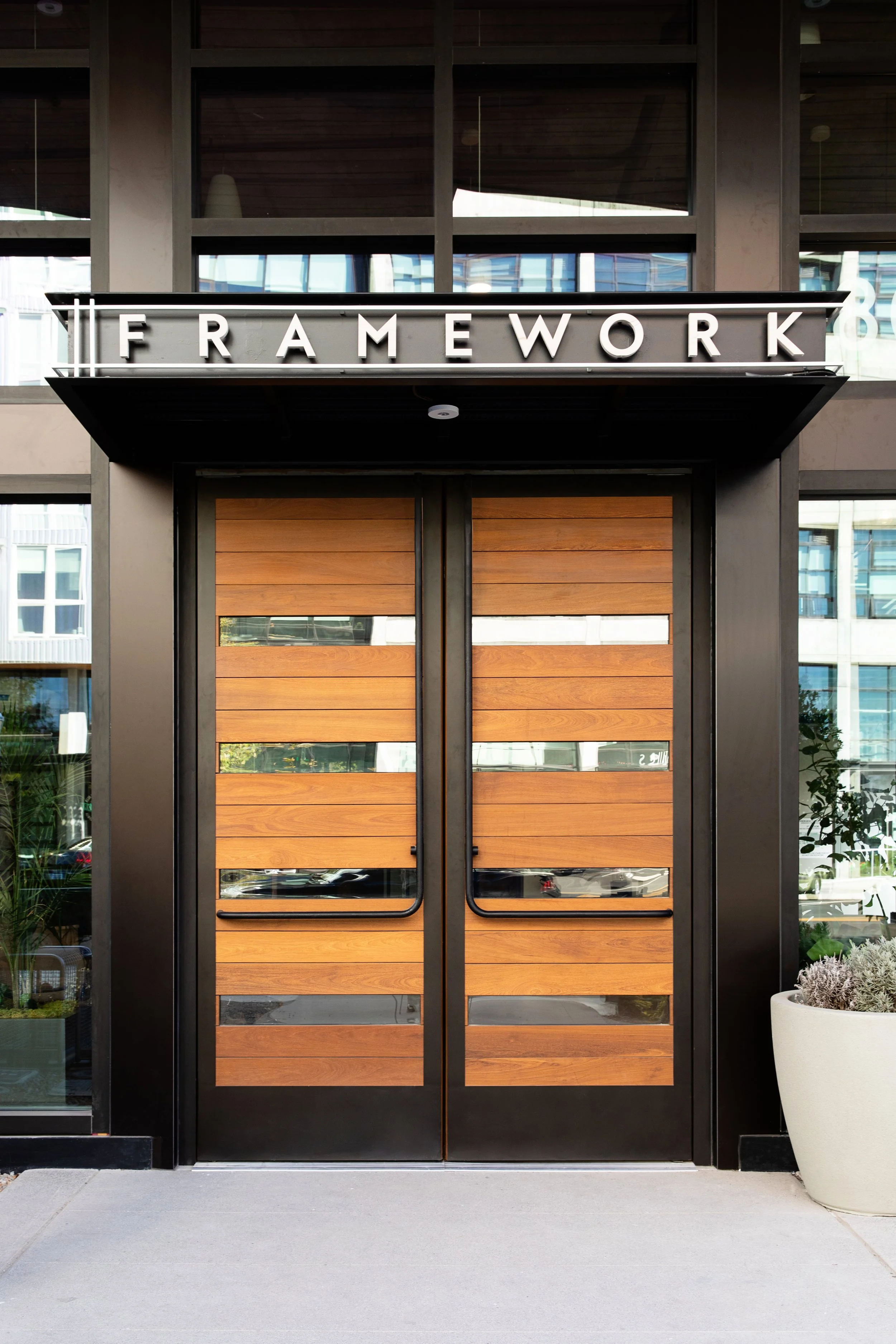
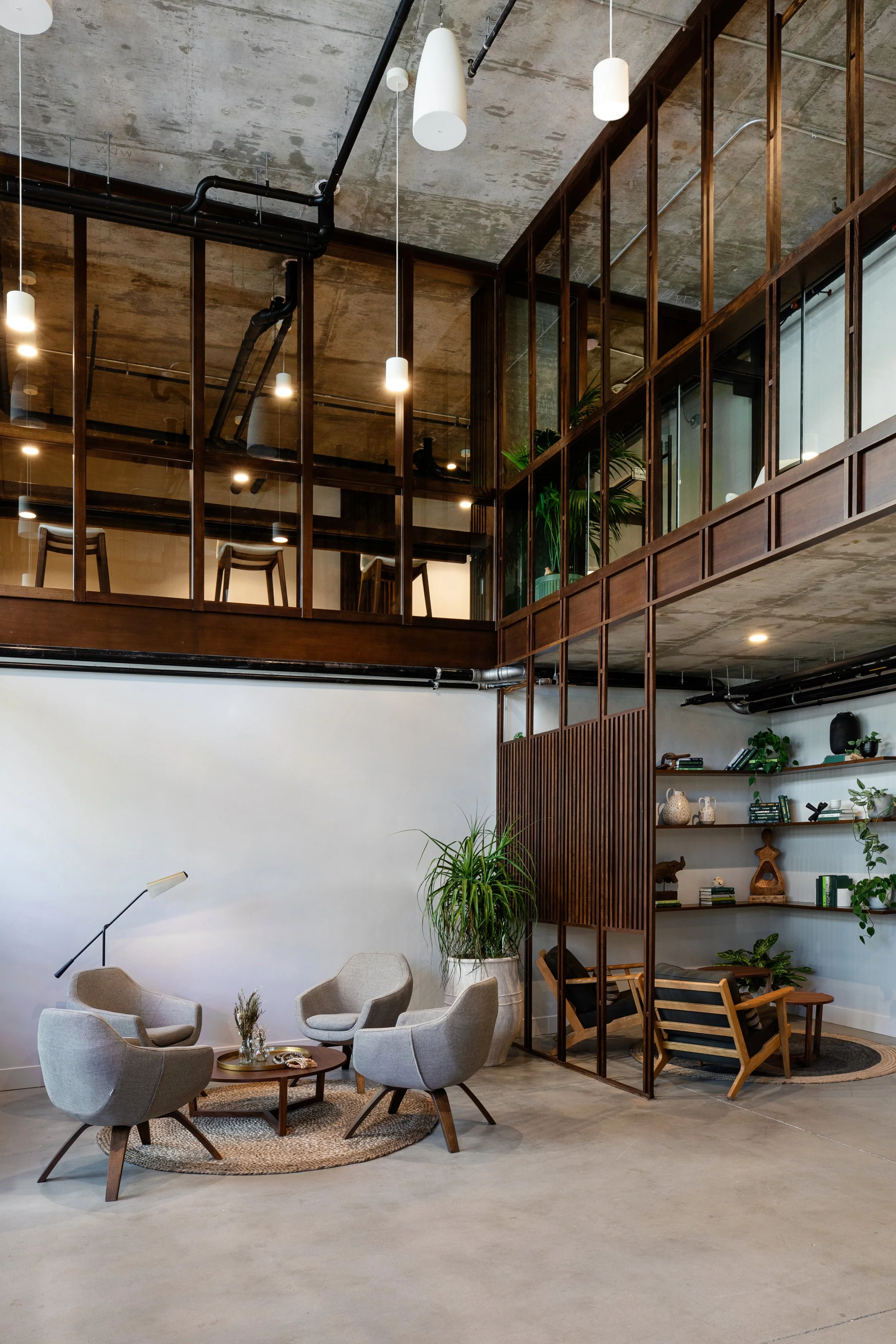
Design Beyond The Amenities
How Intentional Interior Design Drives Leasing and Retention in Southern California Multifamily
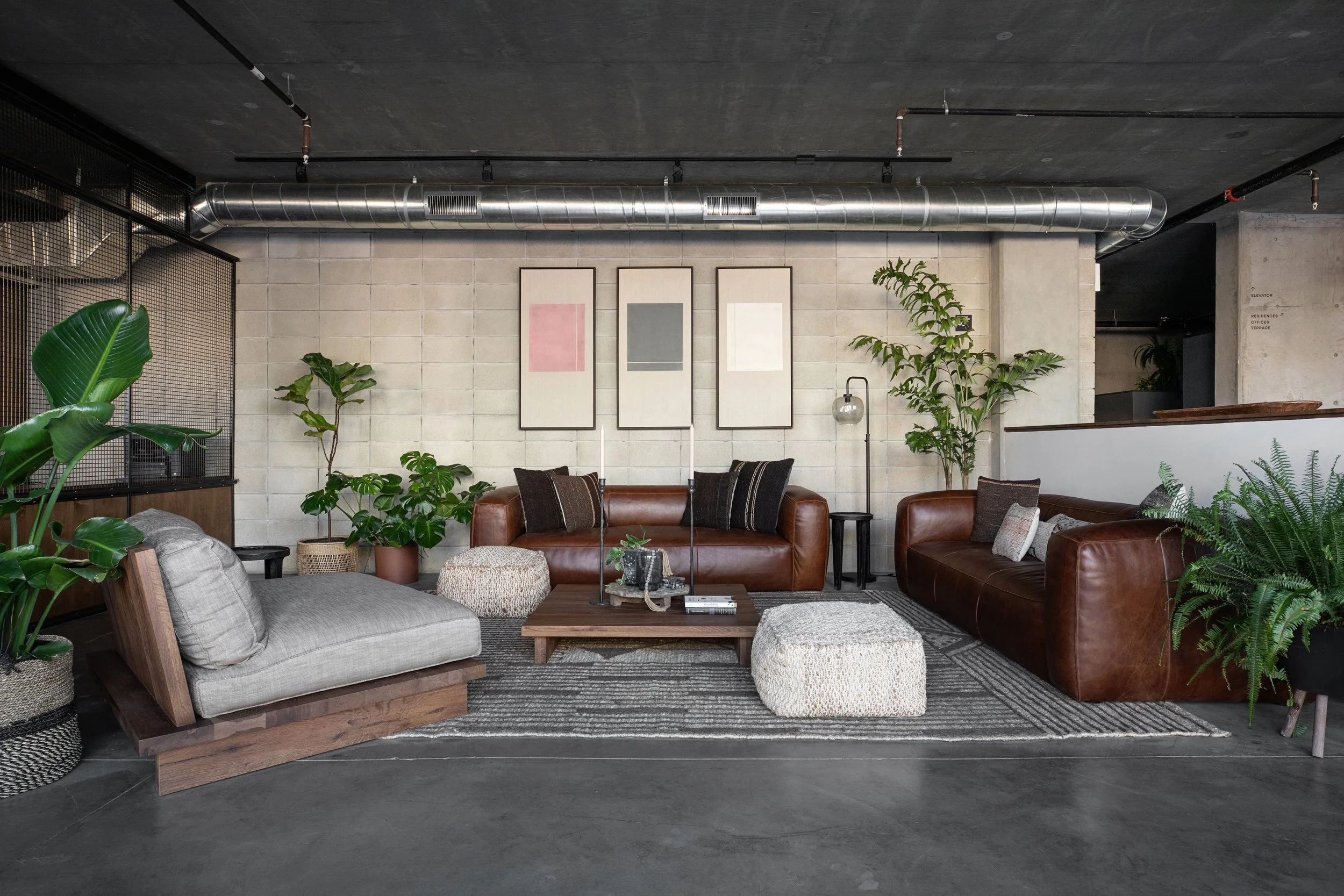
Why San Diego’s Multifamily Market Demands More Than Good Finishes
If you’ve toured a new apartment building in San Diego lately, you already know: the baseline is high. Rooftop decks, co-working spaces, polished finishes, a leasing agent who knows the property like the back of their hand… these things are expected now.
So what actually makes someone sign a lease - and more importantly, what makes them want to stay?
After years of working on multifamily projects across San Diego, we’ve come to believe the answer isn’t about adding more amenities. It’s about something quieter, and honestly harder to achieve: connection.
Connection to the space itself, to the people who live there. To a sense of place that makes a building feel like it was designed with intention, not just assembled from a mood board.
Why “Checking the Boxes” Isn’t Enough Anymore
There’s a version of multifamily design that treats every space as its own problem to solve. Lobby: done. Rooftop: done. Hallways: fine, whatever. Units: covered.
The result of that always ends up being a building that functions, but doesn’t resonate. Every space works in isolation, but together they just feel… well, generic.
Residents don’t experience a building one room at a time. They experience it as a sequence - an unfolding story from the moment they walk through the front door to the moment they close their unit behind them. When that sequence has a coherent thread, people feel it, even if they couldn’t tell you why.
That’s the difference between a building that rents, and a building that people actually want to live in.
It’s a subtle design problem, but the outcomes are concrete. Residents who actually use communal spaces tend to stay longer, invite people over more, and become the kind of word-of-mouth advocates that no marketing budget could ever replicate.Multifamily Common Area Design: What Makes People Actually Use the Space
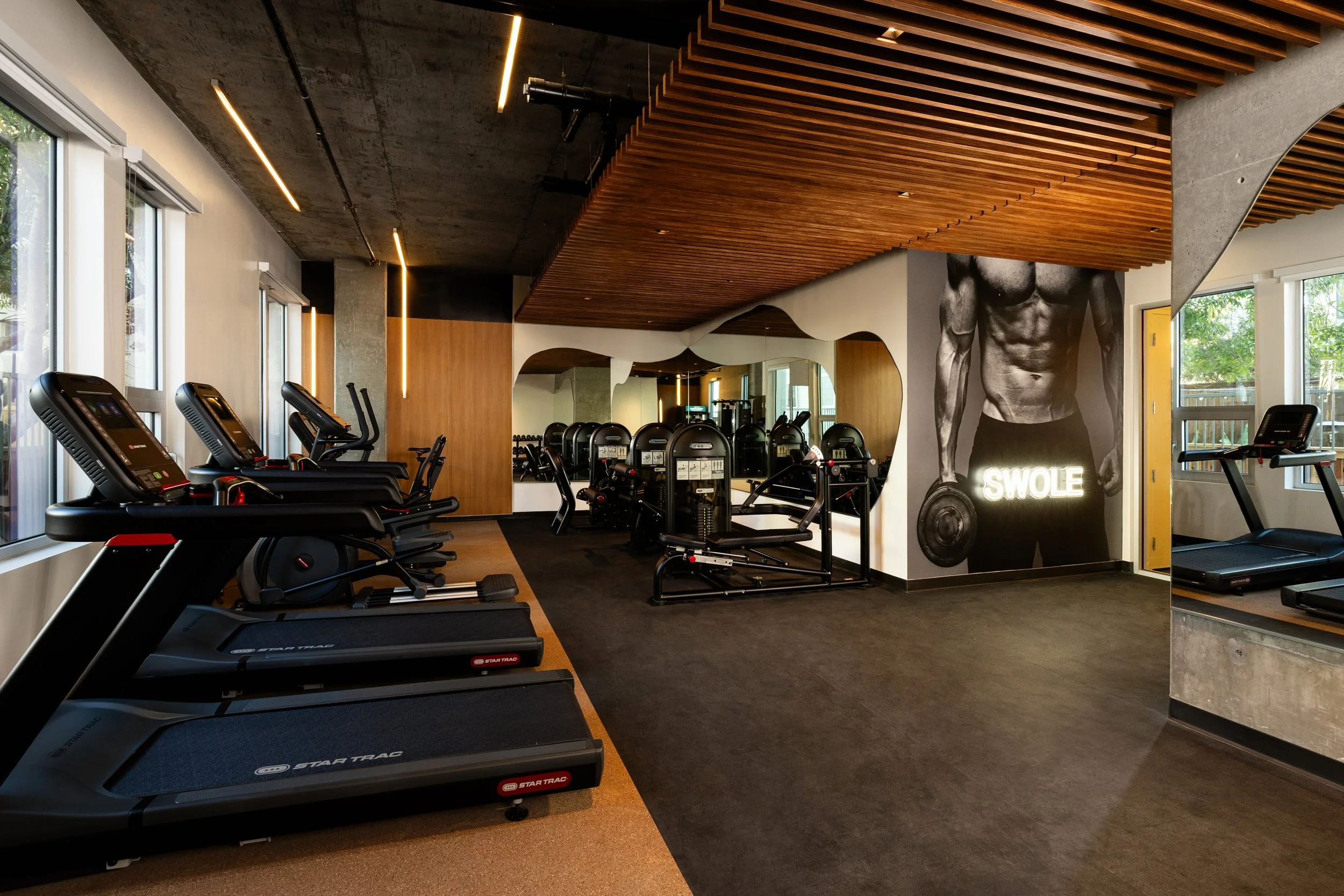
Shared amenity spaces are often designed for the photoshoot. And look - good photography matters, especially for online listings. But a beautiful co-working space that sits empty isn’t serving anyone.
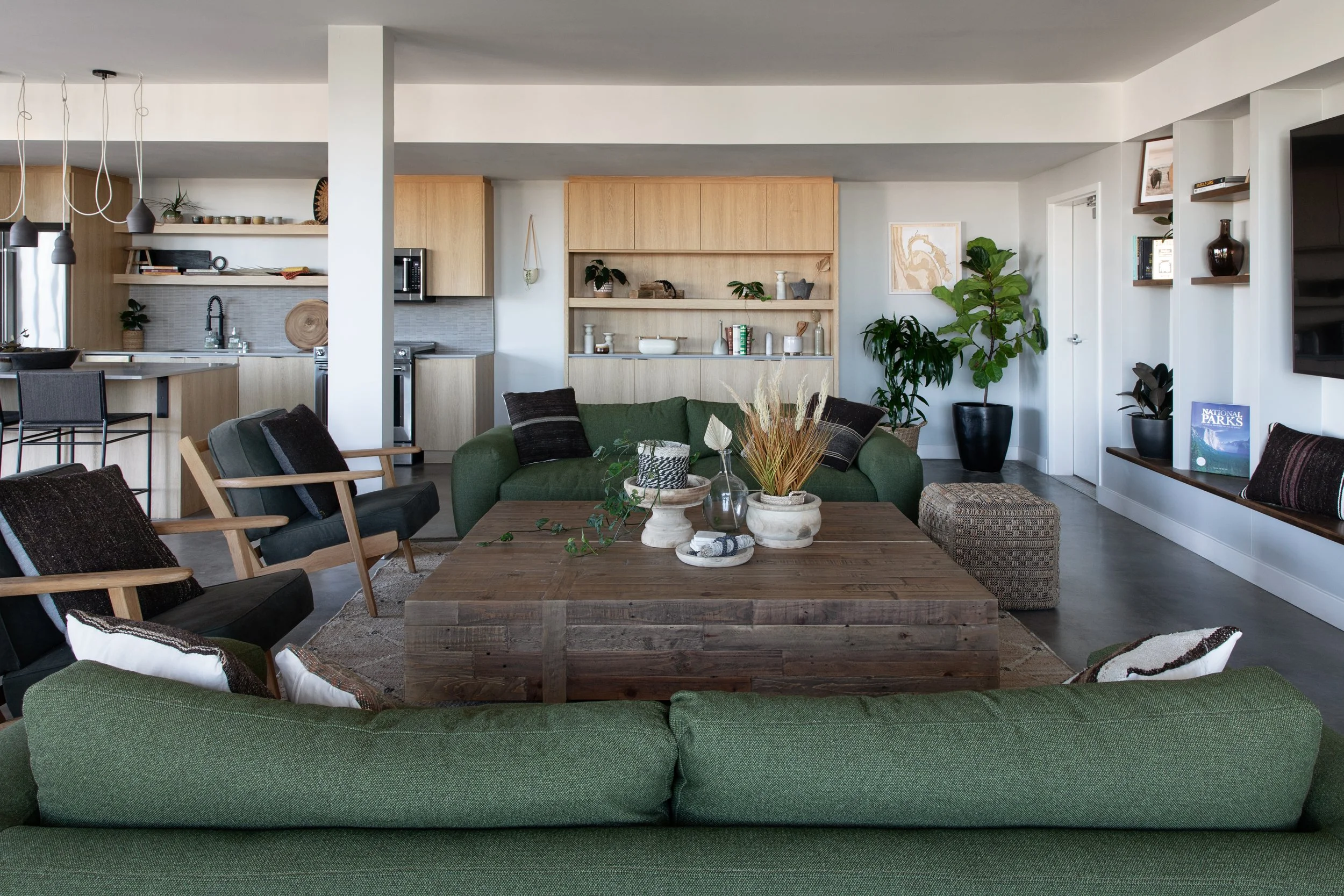
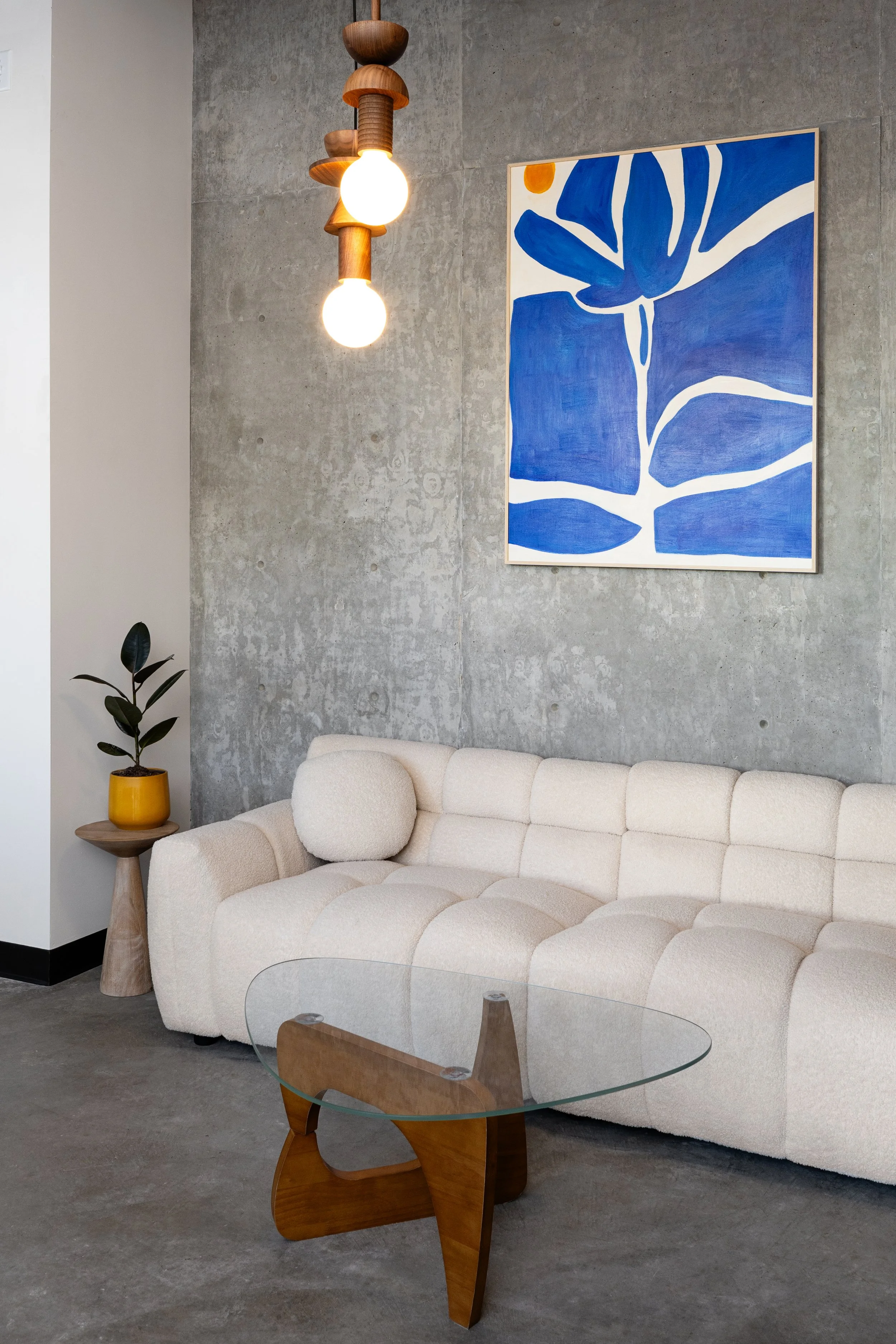
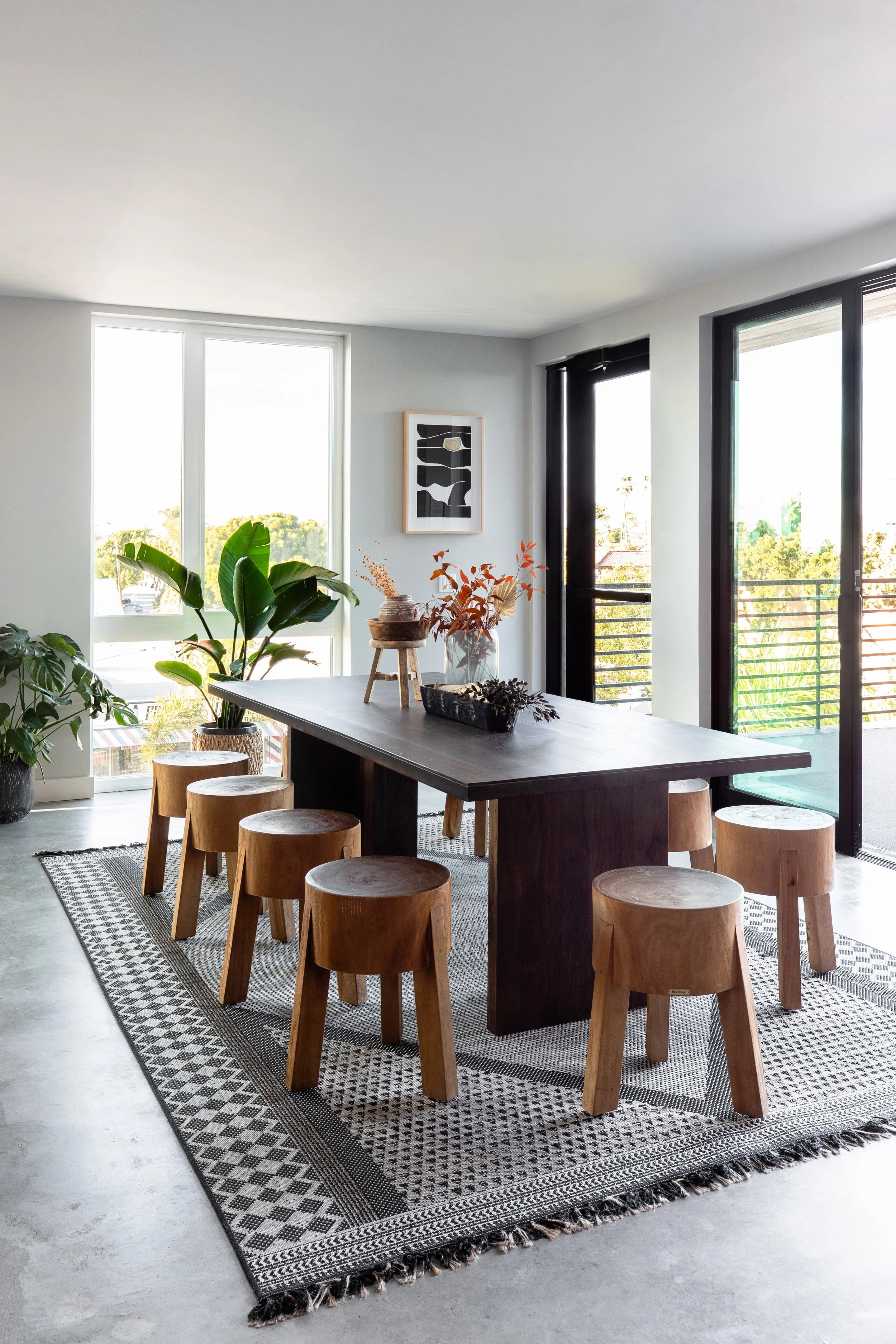
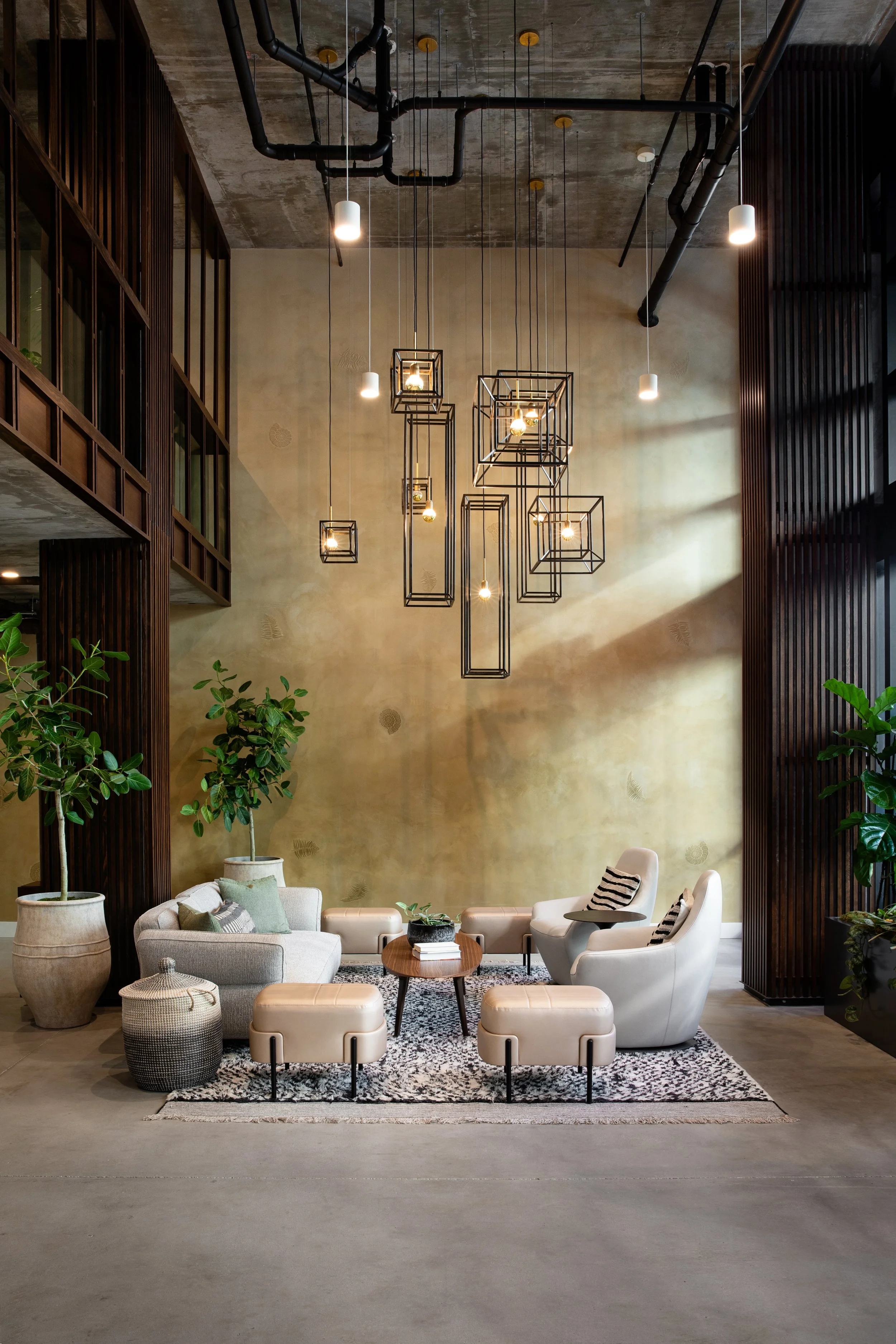
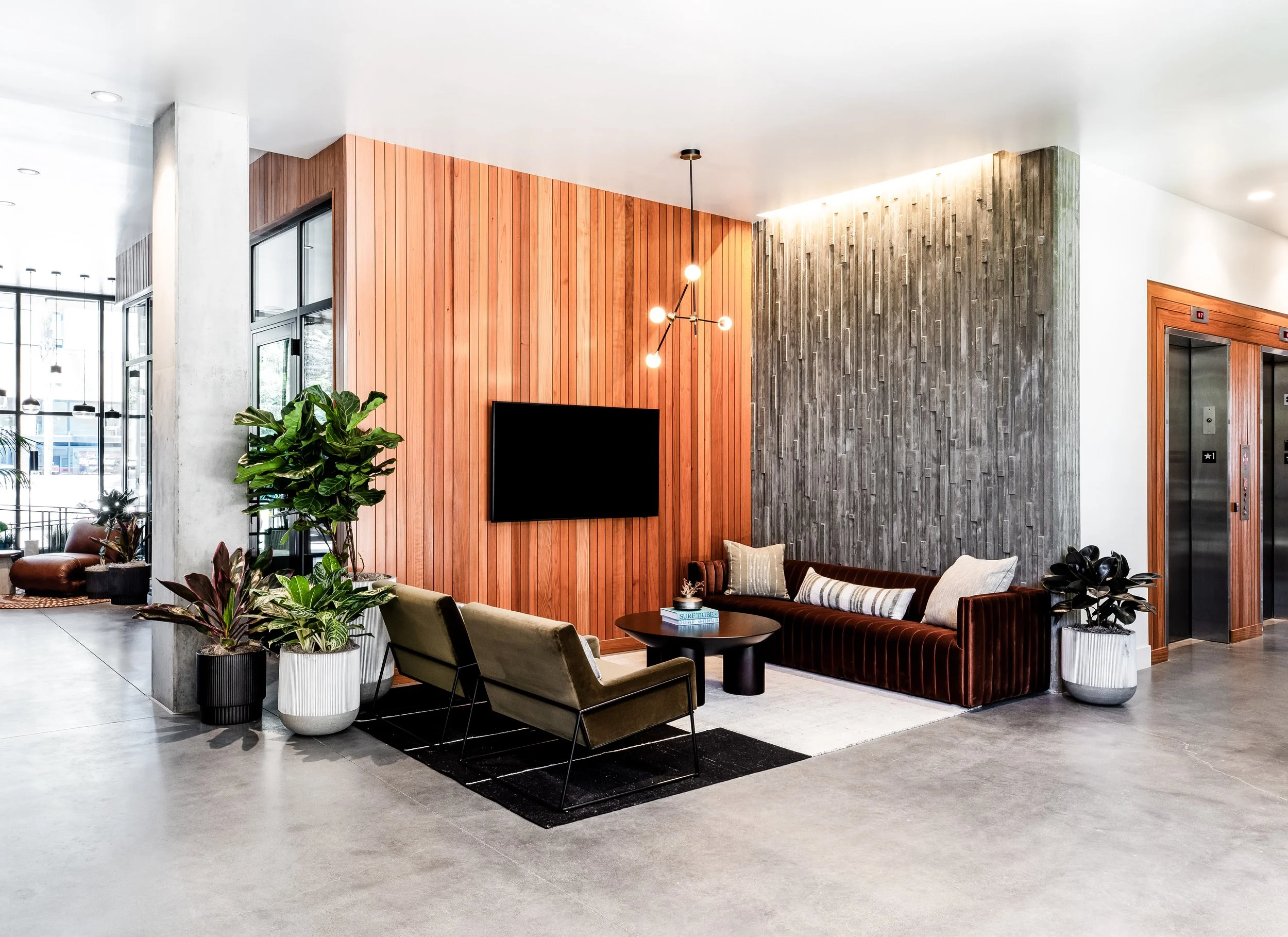
The spaces that get real daily use, all share a few things in common. They’re easy to settle into. The lighting works in the evenings, not just at noon. Seating arrangements create soft opportunities for interaction without forcing it. There’s a clear visual identity that makes the space feel like it belongs to this building - not like it was borrowed from a hotel lobby in another city.
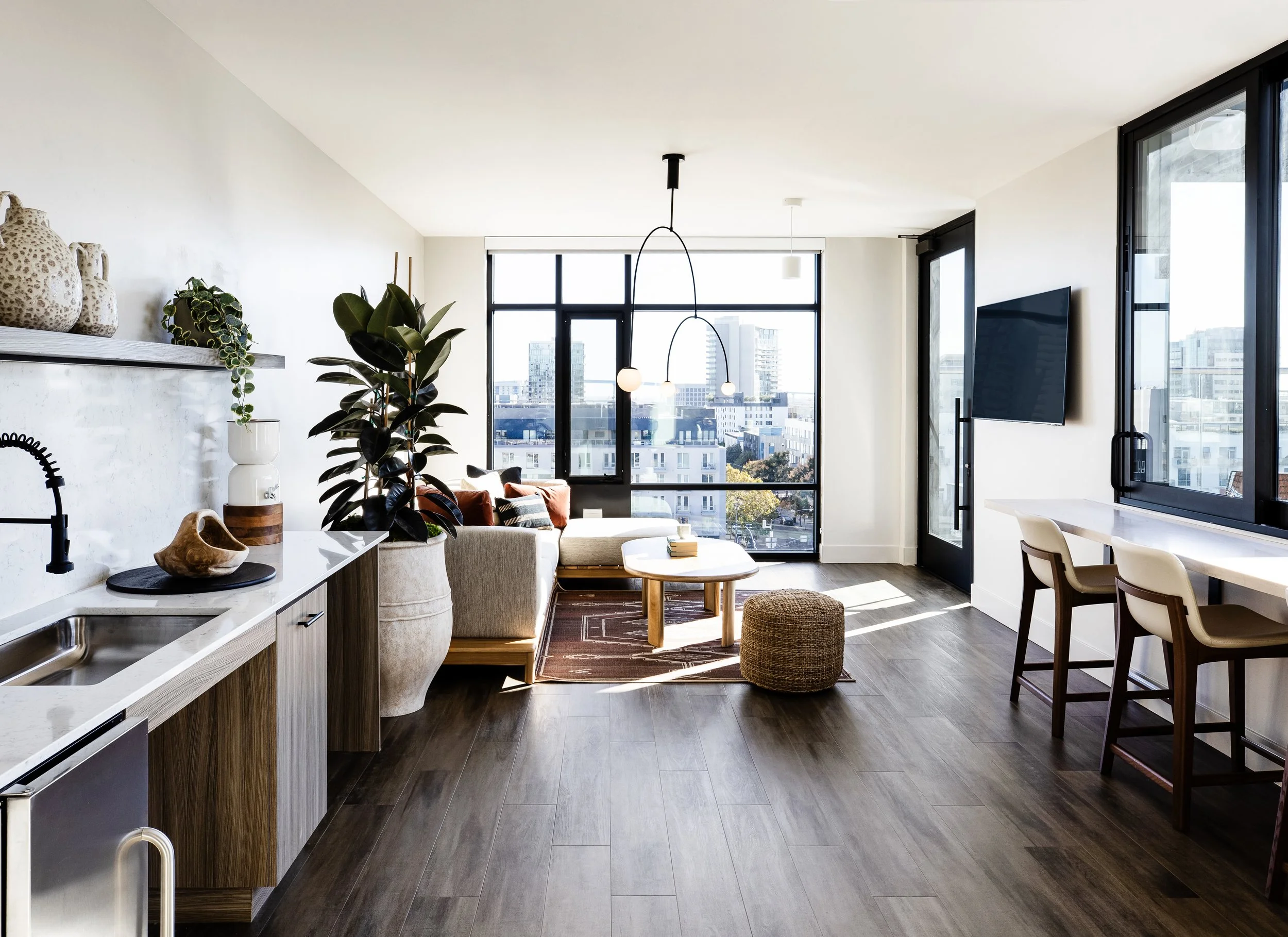
Interior Branding for Multifamily and Hospitality Spaces: It Goes Deeper Than a Logo
A lot of branding shows up at the end of a project - a sign package, a mural in the lobby, a name set in a nice font. And sure, those things matter. But they’re not a brand… well, not really.
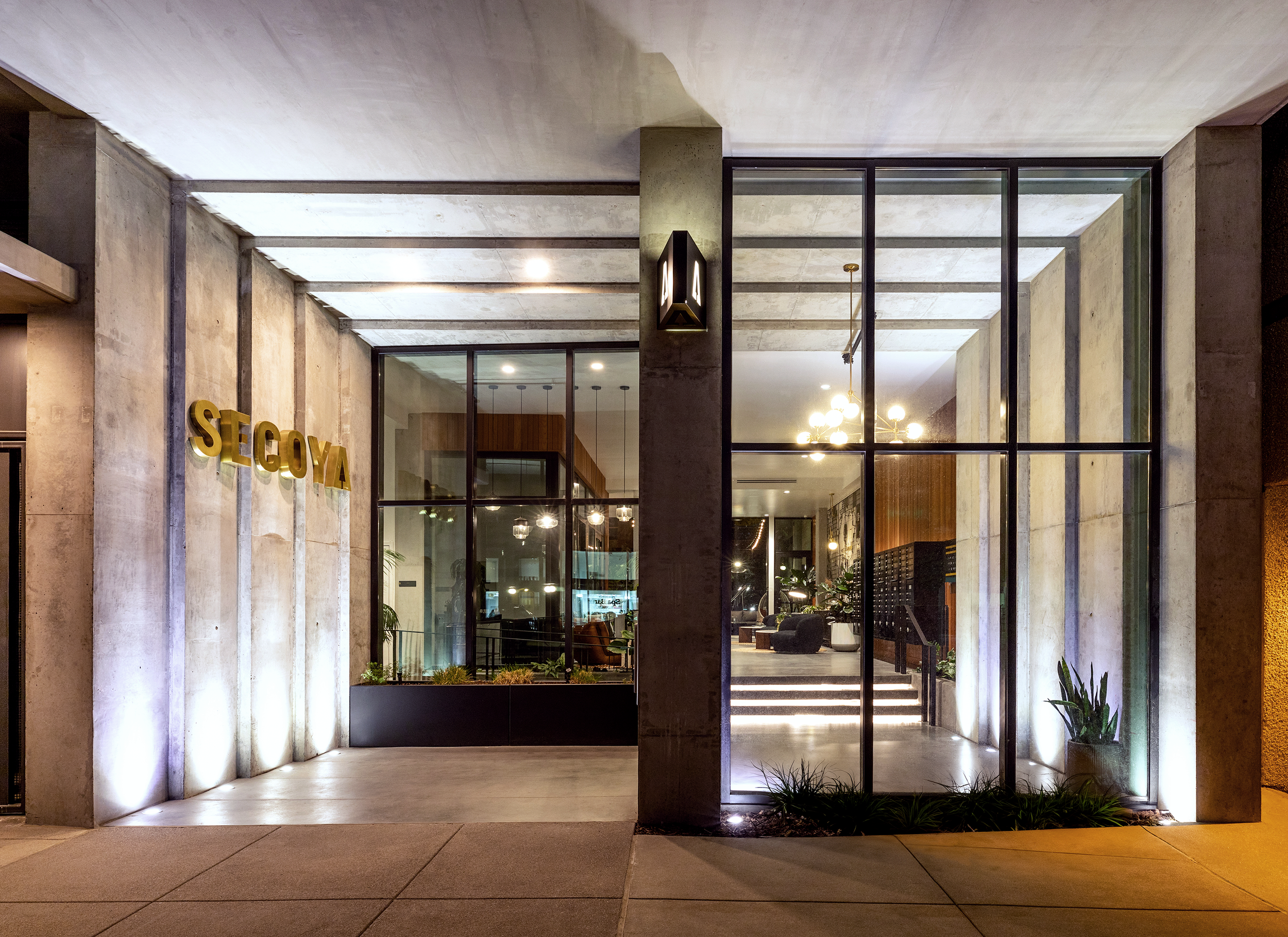
Real interior branding is built in from the very beginning, it’s what drives the whole project. It lives in the weight of the door hardware, the rhythm of the lighting down a hallway, the way one material gives way to the next. It’s not a layer applied on top of the design - it’s woven through every decision, from the broadest concept to the smallest detail. When it’s working, the whole building has a point of view. Everything holds together in a way that’s hard to articulate, but it’s felt immediately.
This is why the projects we’re proudest of are the ones where the brand and the interior design were never two separate conversations. When both are developed simultaneously - same team, same timeline, same intention - the brand doesn’t just describe the space, it becomes the space. The name on the building and the feeling inside it are the same idea, just expressed in different ways. That kind of alignment is hard to manufacture after the fact, and clients can feel the difference.
Integrated Brand Development for Multifamily Communities: Why It Performs
For multifamily communities, a building with a genuine identity is easier to lease and easier to remember. Prospective residents can describe it to a friend, picture it clearly, and feel something about it - which is a lot more powerful than “it was nice”. People form an impression within seconds of walking in, and when the visual identity, the materials, the lighting, and the atmosphere all feel like they came from the same place, it creates something genuinely difficult to replicate: the instant feeling of yes, this is exactly right! That’s what earns the second tour, the signed lease, the lease renewal, and the raving review that brings someone new through the door.
Residents and guests may never consciously register any of it, but that’s actually the goal. What they’ll feel is that someone thought this through, that the space has intention behind it, and that there’s a coherence that goes beyond the surfaces. That feeling creates pride in residents and loyalty in guests, and both of those things translate directly into performance.
The Details Carry the Concept (Or They Quietly Kill It)
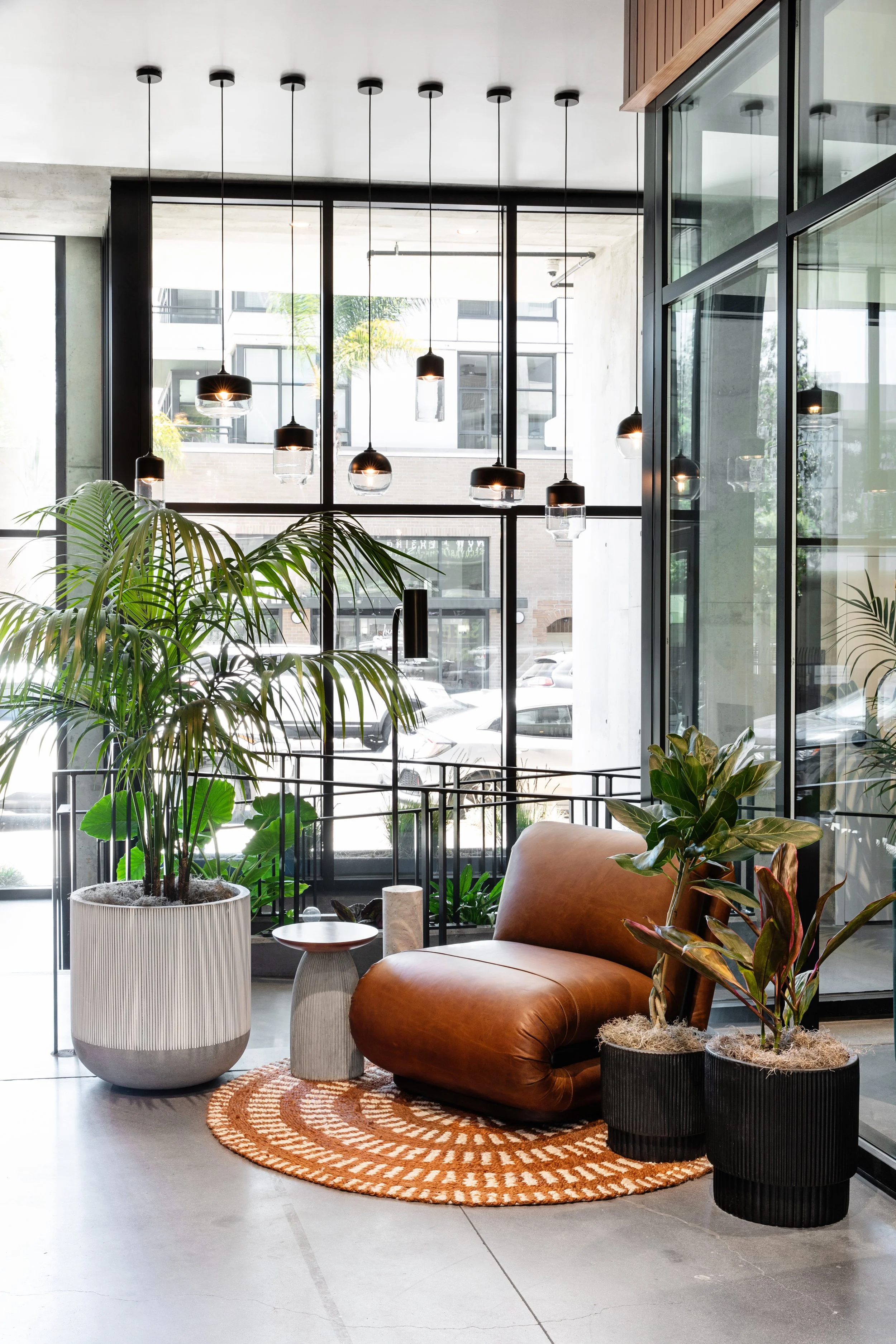
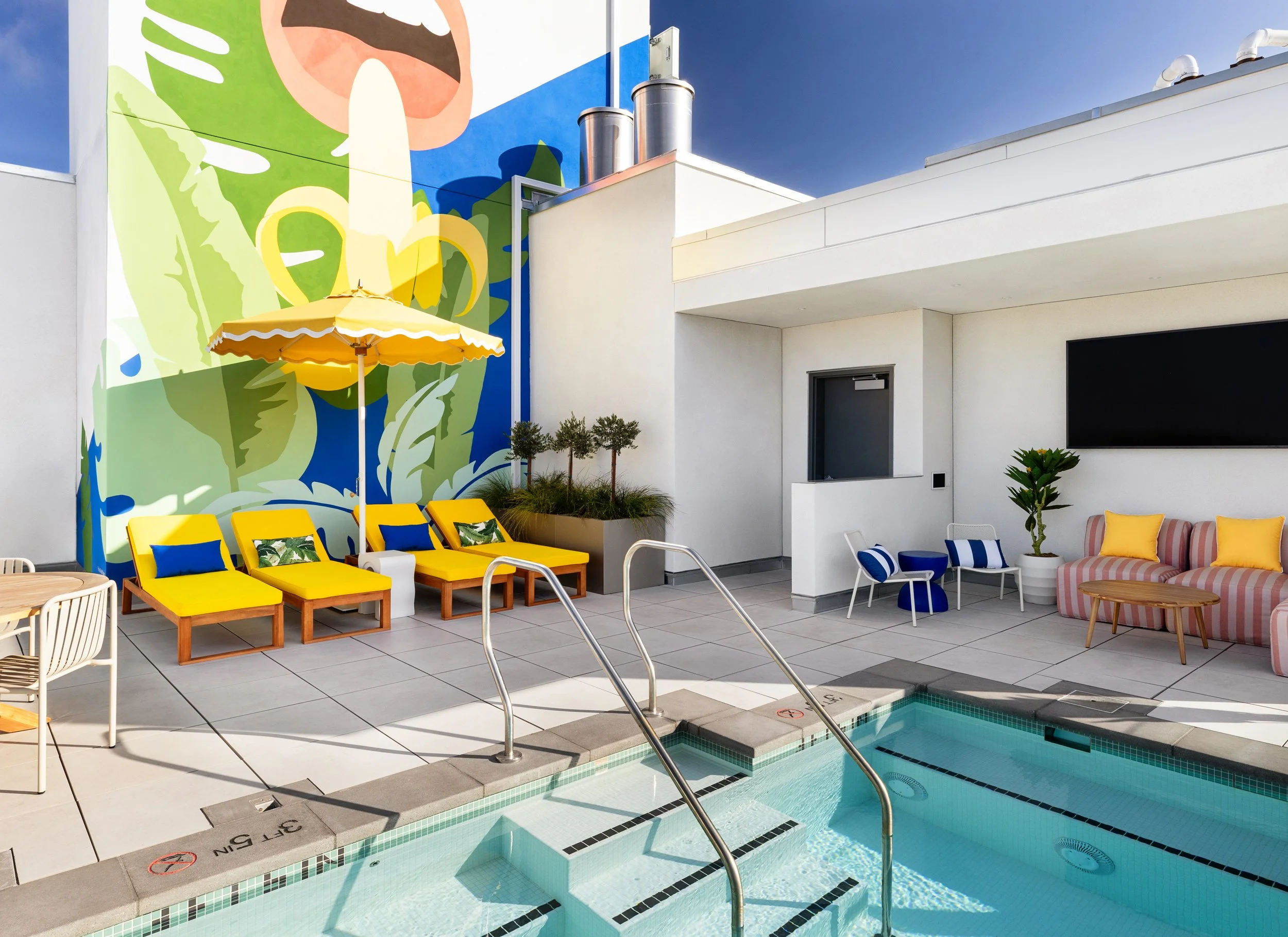
Big gestures matter. A dramatic lobby or a well-conceived rooftop terrace - those are the things that create a first impression that sticks.
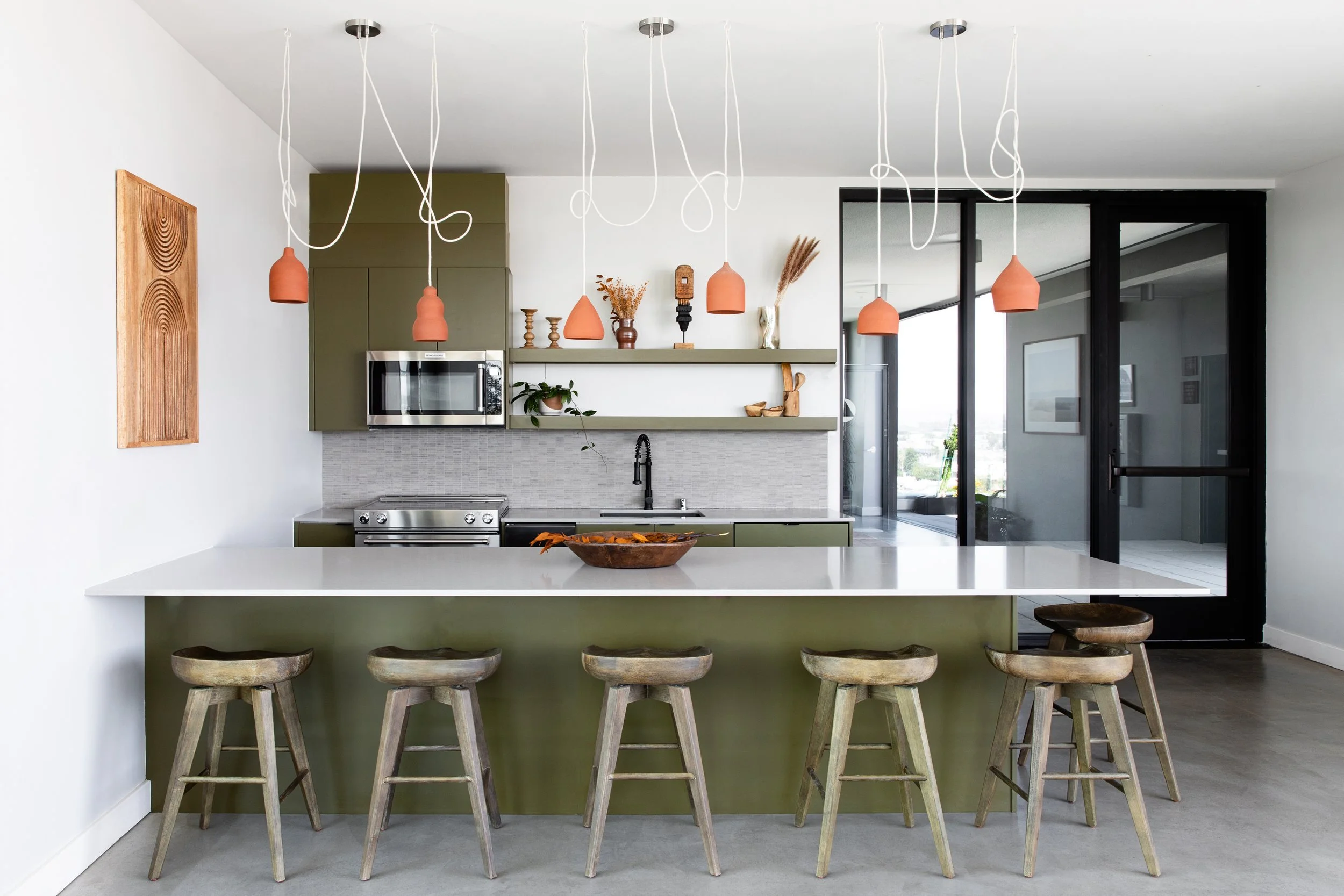
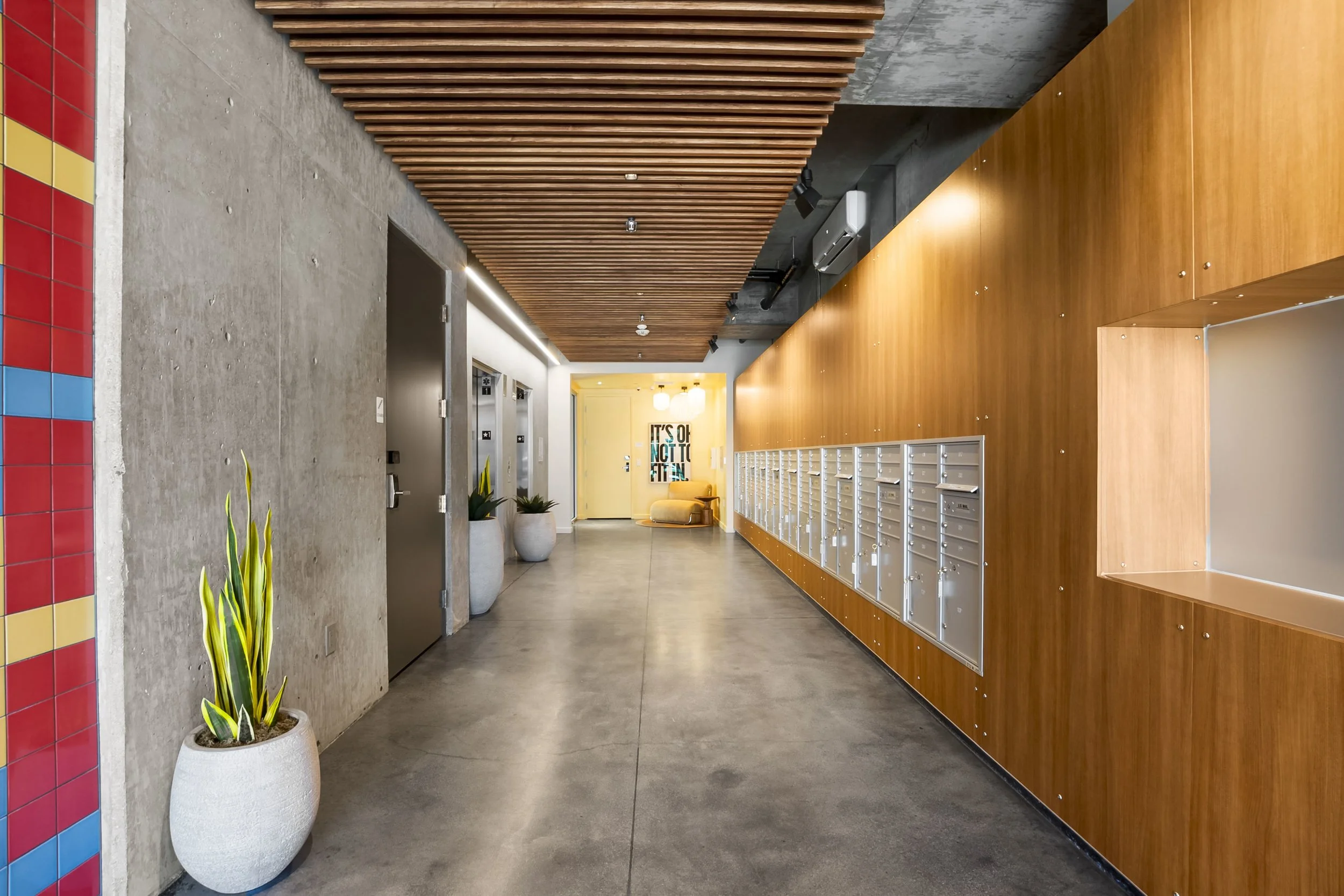
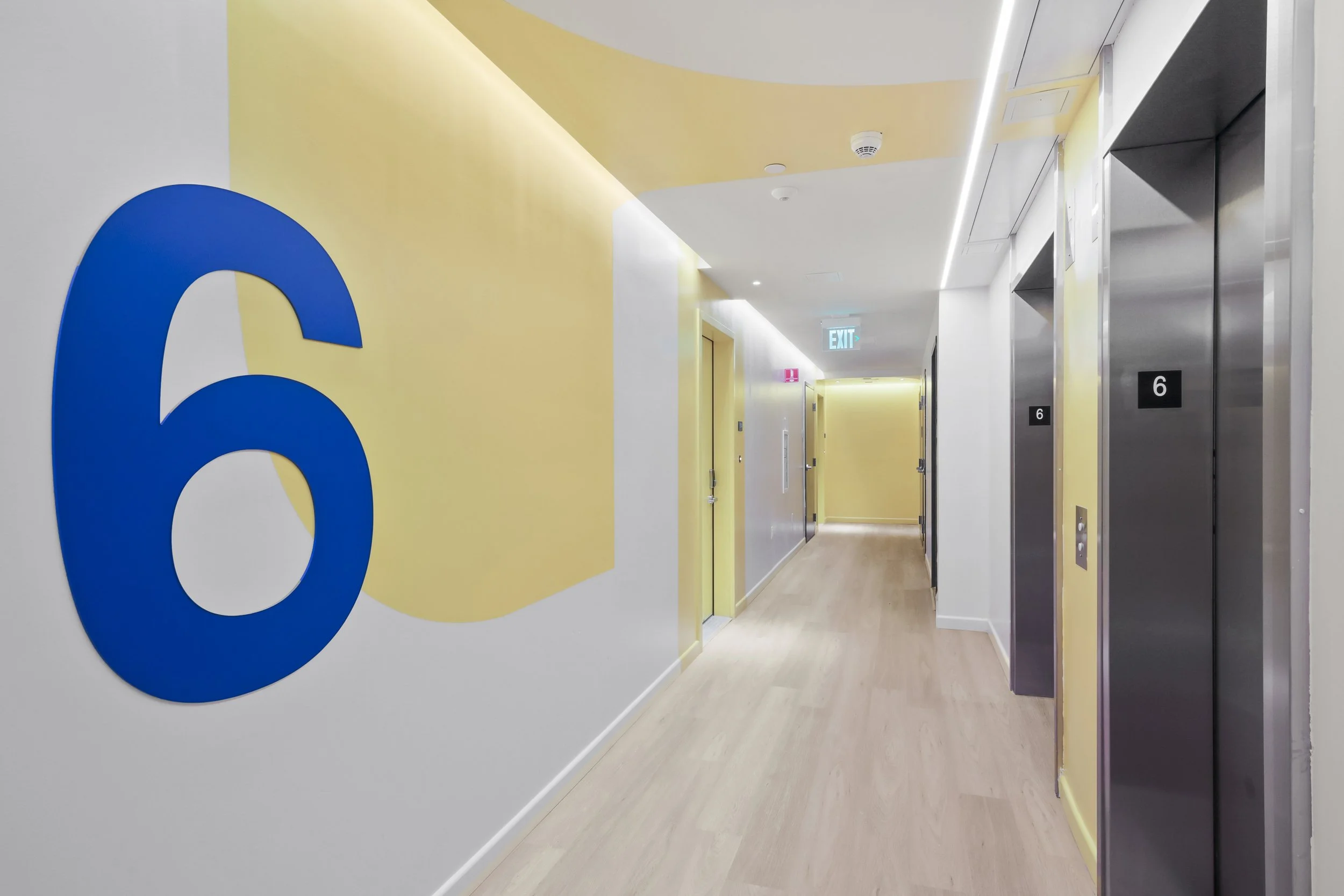
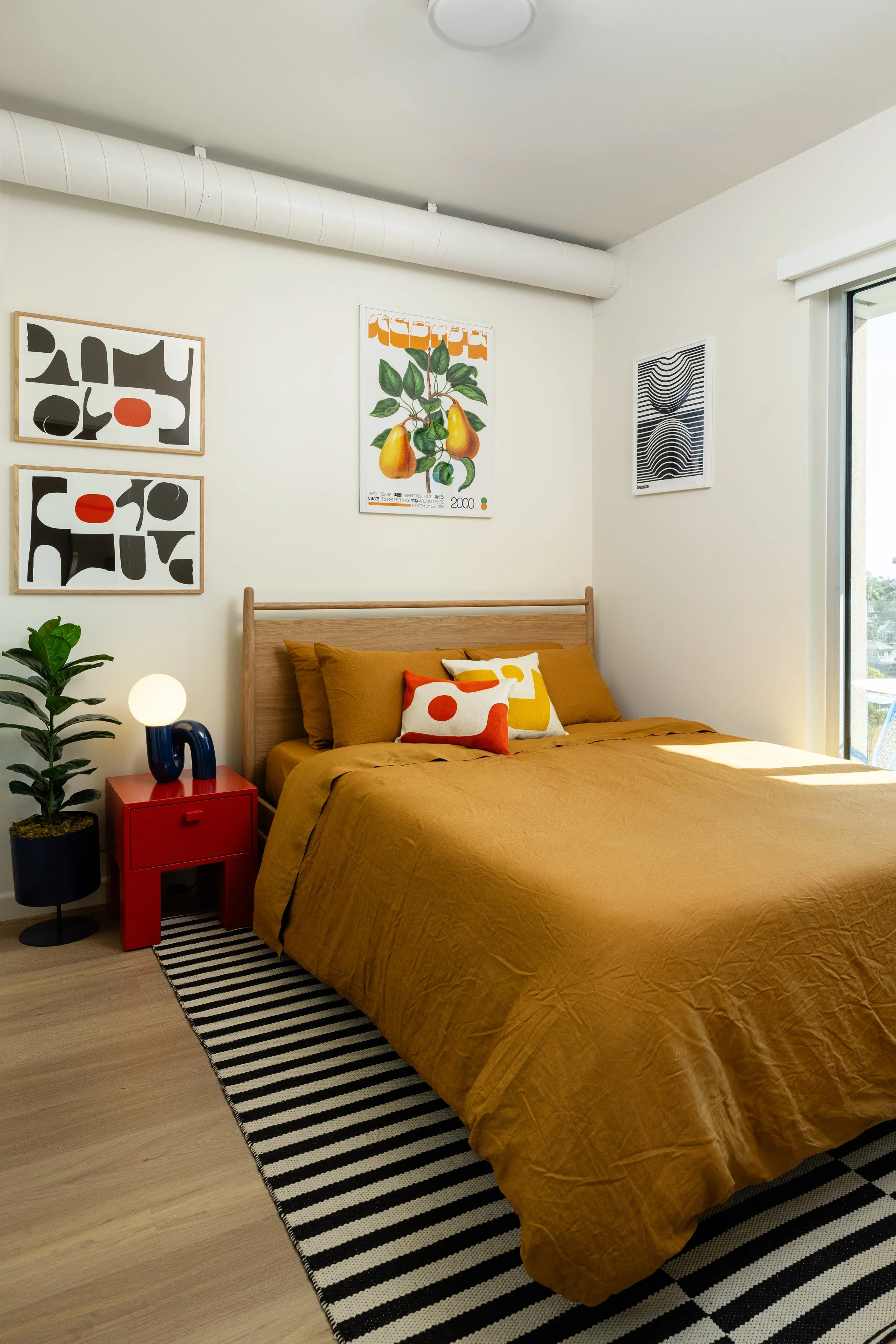
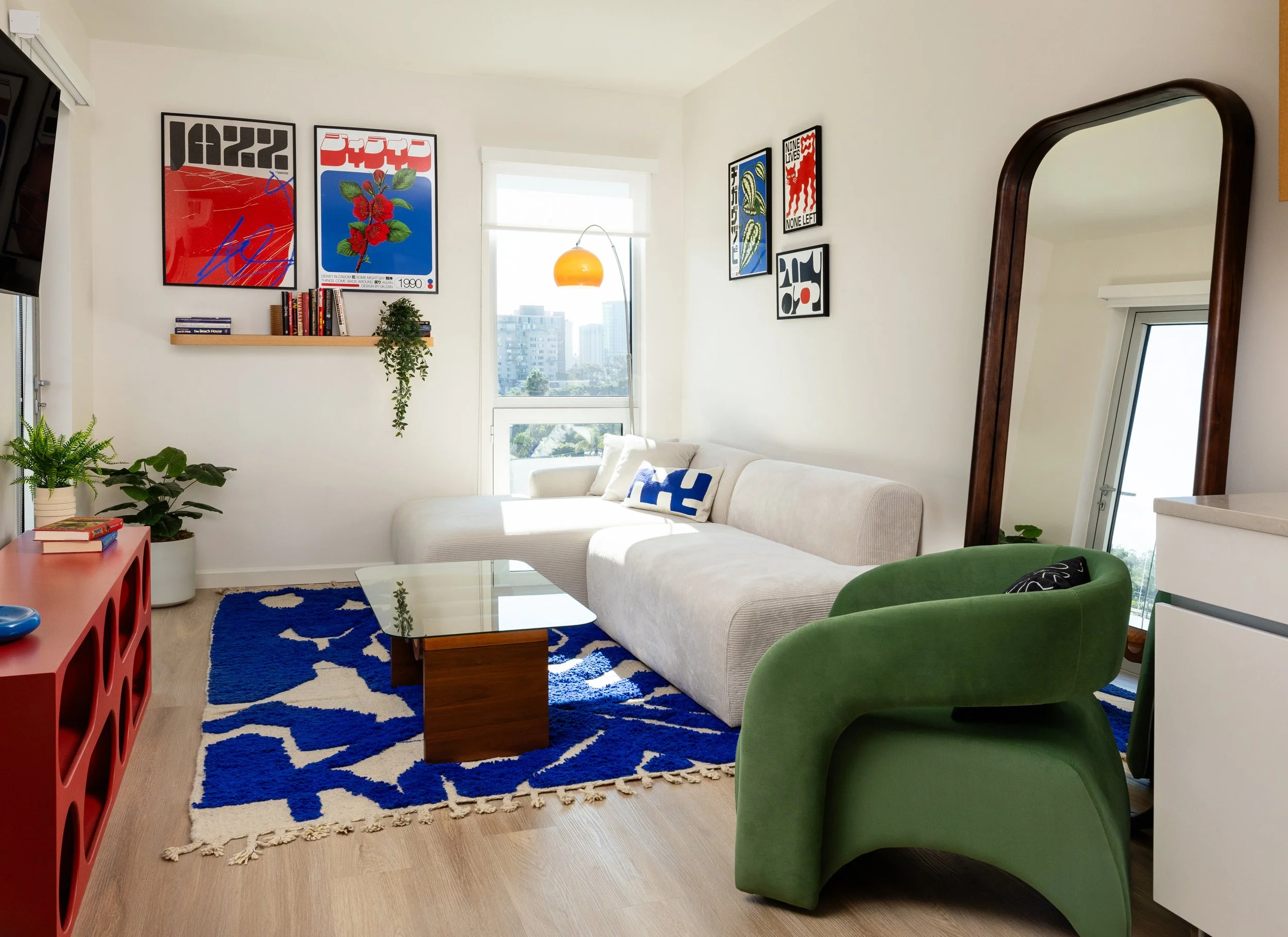
But first impressions aren’t where leases are actually won. They’re won in the follow-through down the hallways that feels just as considered as the lobby, in the unit finishes that echo the design language from the common areas, in the small details that tell a resident “this wasn’t just an afterthought”.
When the details conflict with the concept, even great design starts to feel unresolved. The building loses coherence. And coherence, it turns out, is one of the things people are most drawn to (and least able to articulate) when they decide that somewhere feels like home.
Residential Interior Design in San Diego: Designing for Pride
Here’s the metric we don’t talk about enough. Pride.
When someone is proud of where they live, they take care of it. They bring people over, they renew their lease, they tell their friends, they post all the pictures to all their
socials - they go out of their way to show it off.
Pride isn’t a product of luxury alone. Plenty of high-end buildings actually feel impersonal and cold. Pride comes from feeling seen - from living somewhere that communicates
“YOU were thought of here”, without actually saying a word.
That’s what the best multifamily design does. It doesn’t just provide a place to sleep, it creates a backdrop for someone’s actual life, and one that feels like it was made just
for them.
Good Design Shouldn’t Announce Itself
There’s always a temptation, especially in competitive markets like San Diego, to make things loud. To design for the Instagram moment - I mean, let’s be honest… we all want to be the photo that stops the scroll.
But the buildings that perform the best, year over year, aren’t the ones with the most dramatic moments, they’re the ones with the most consistency. Where every decision - the bold ones, the quiet ones, and everything in between, all add up to a coherent whole.
Good design works in the background.
It shapes how people feel without
demanding their attention.
It becomes the setting of their daily life,
not a distraction from it.
The Business Case for Thoughtful Multifamily Design
For developers and operators in Southern California’s multifamily market, this isn’t just an aesthetic conversation. It’s a performance one. Buildings designed around connection and cohesive identity tend to lease faster. They photograph better, which helps online listings. They generate genuine word-of-mouth. They support higher perceived value - which more often than not results in higher rents.
More importantly, they retain residents. And in a market where turnover is expensive and vacancy is a real cost, retention is one of the most valuable things good design can deliver.
When it’s all working, design stops being a line item and it becomes a strategic advantage. The building markets itself - not because it’s flashy, but because it’s genuinely great to live in.
A Note on How We Approach It
For us, every multifamily project starts with the same question: how does it feel to actually live here?
Not just to tour it, not just to photograph it - but to come home to it after a long day, to run into a neighbor in the lobby, to have a friend visit and feel something about the place, long before you even have a chance to say a word about it.
We’re designing for that experience. Across every space, every scale, every detail, because that’s what turns a collection of units into somewhere people are proud to call home.
And when that happens… the leasing takes care of itself.