Designing with the Build in Mind
The power of Design-Build collaboration in interior design
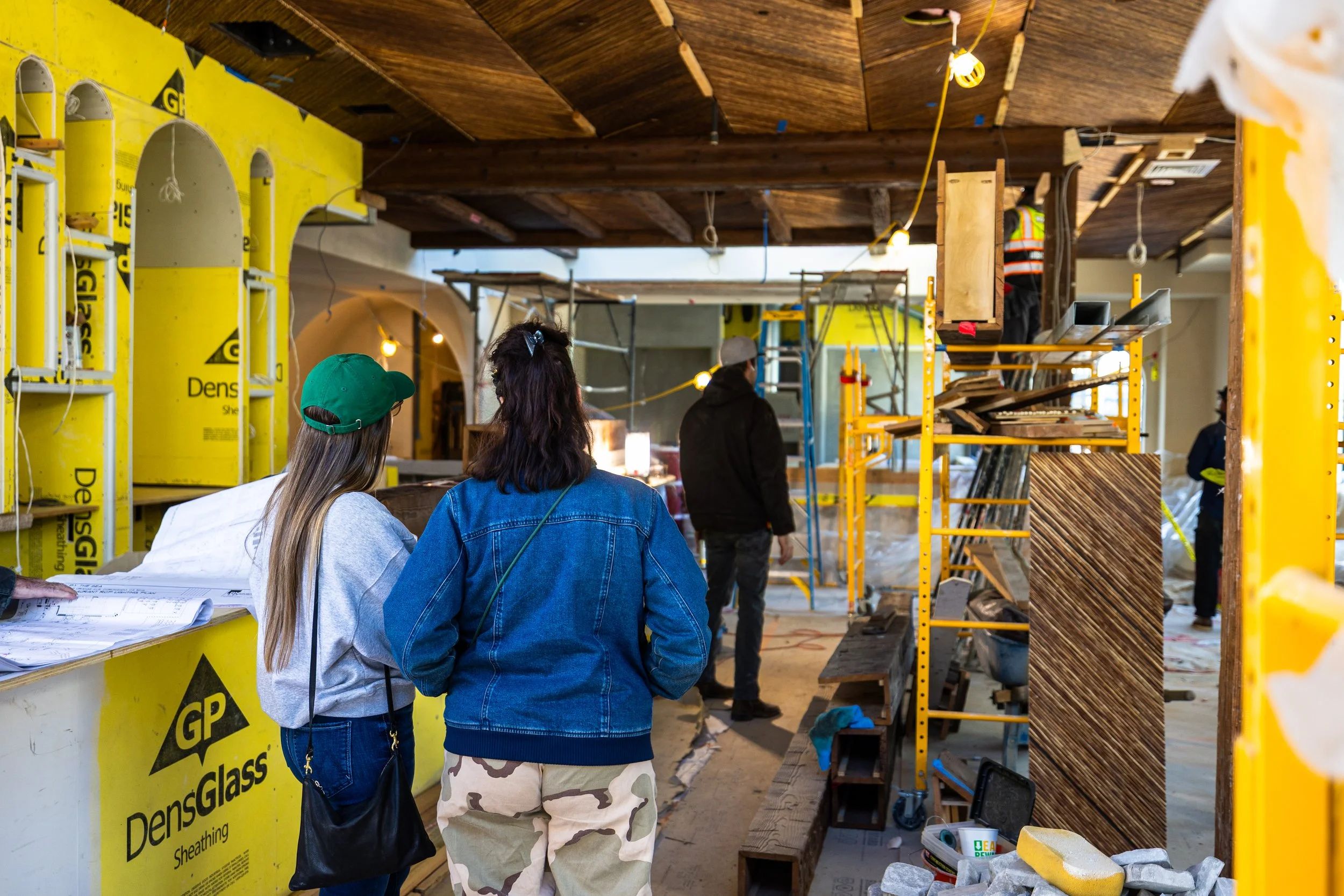
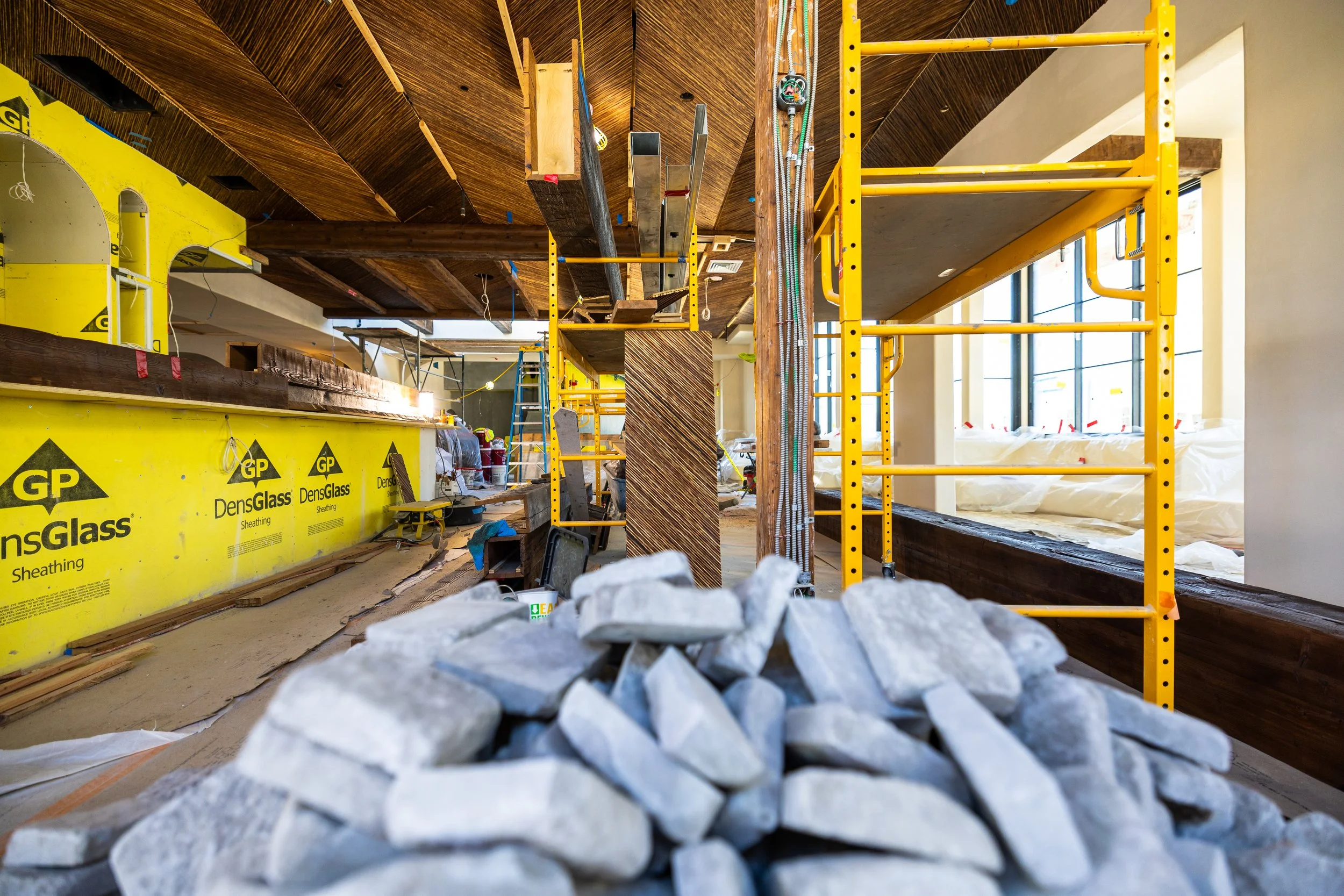
At Tecture Studio, design and construction are part of the same conversation.
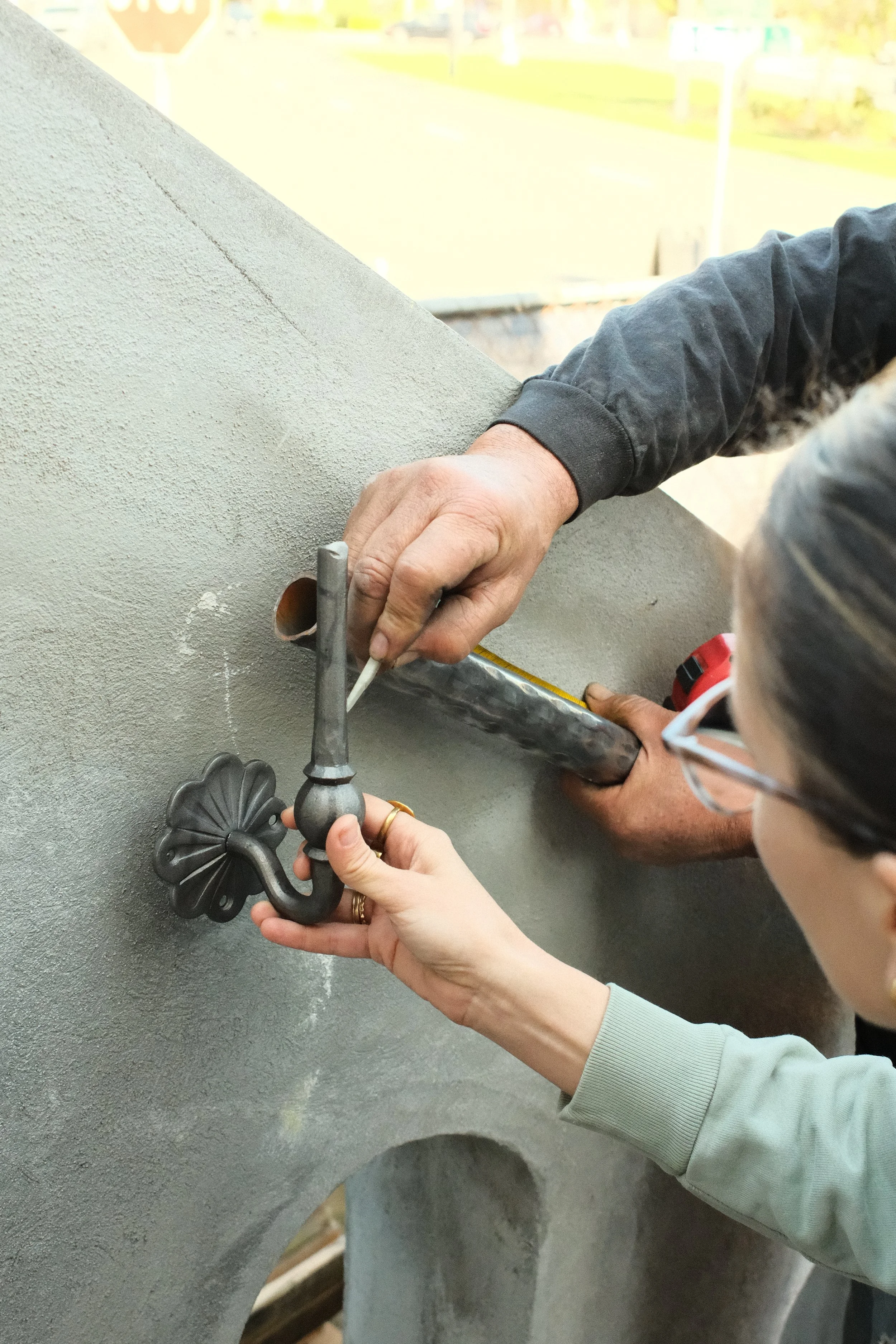
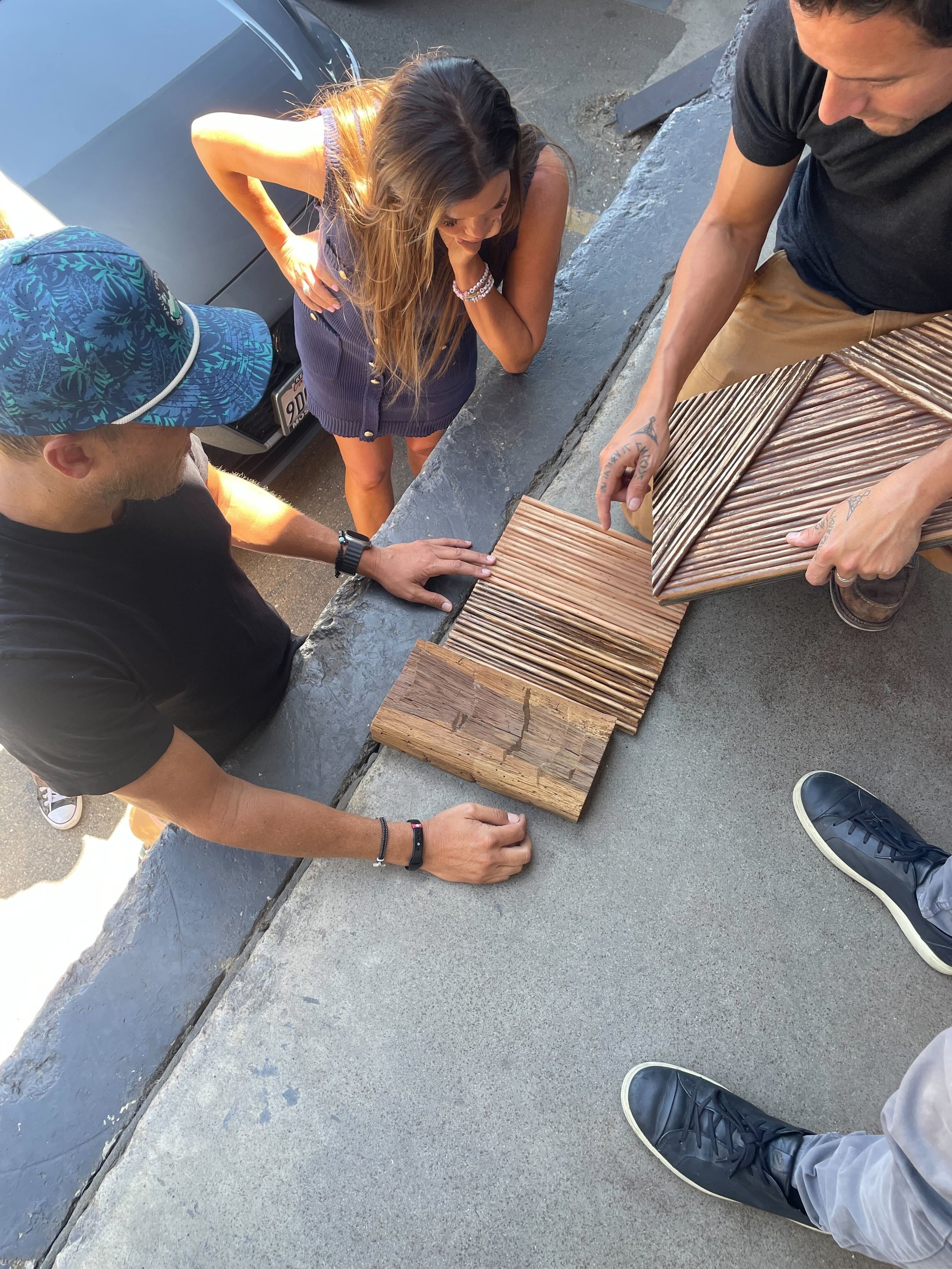
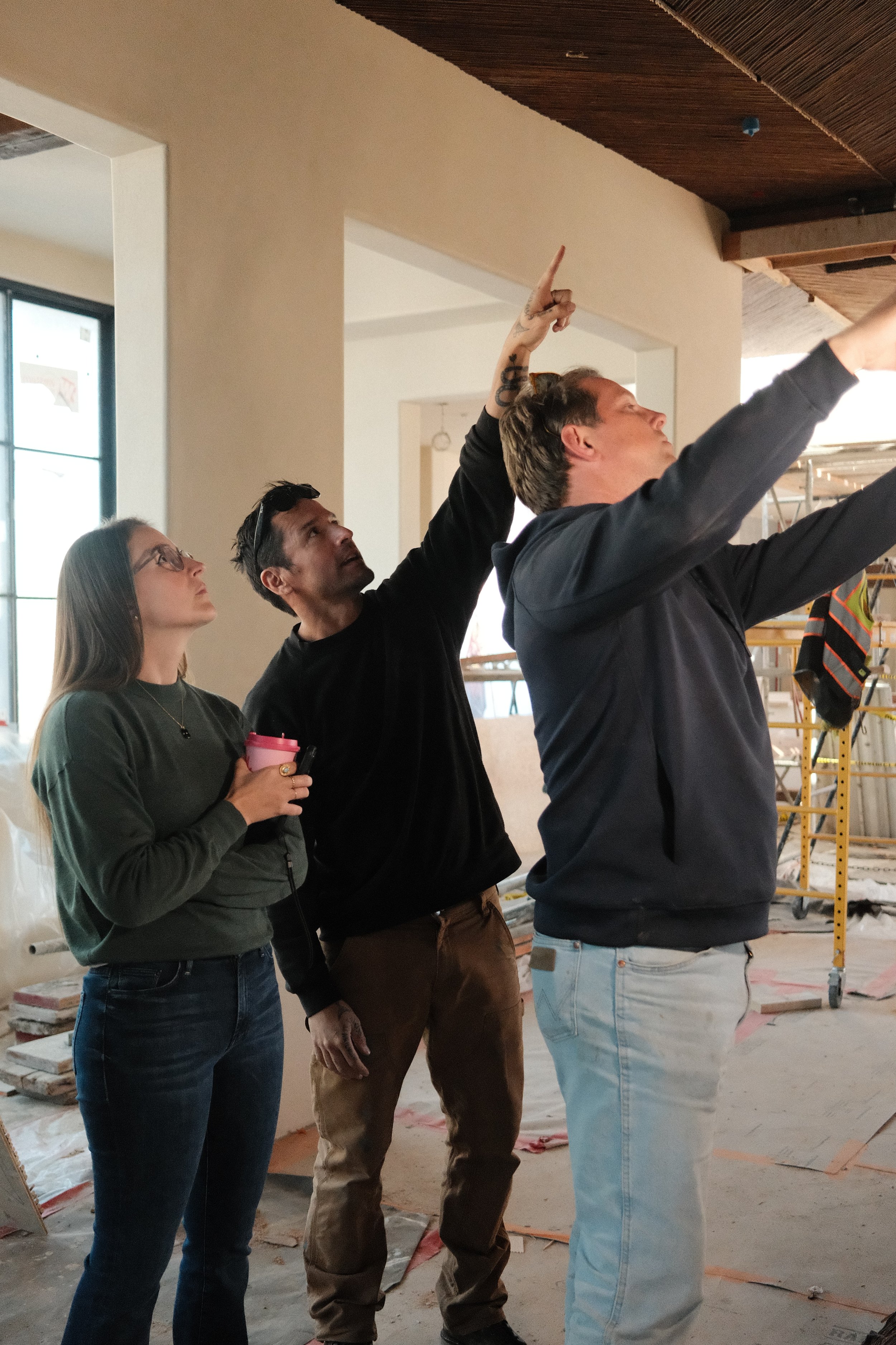
Our work moves fluidly between interior design, fabrication, and the realities of building, allowing ideas to evolve with a clear understanding of how they will be made. That perspective shapes everything - from early spatial concepts to the smallest material junction. It’s an approach that keeps design grounded in craft, and ensures that what’s imagined on paper translates cleanly into the built environment.
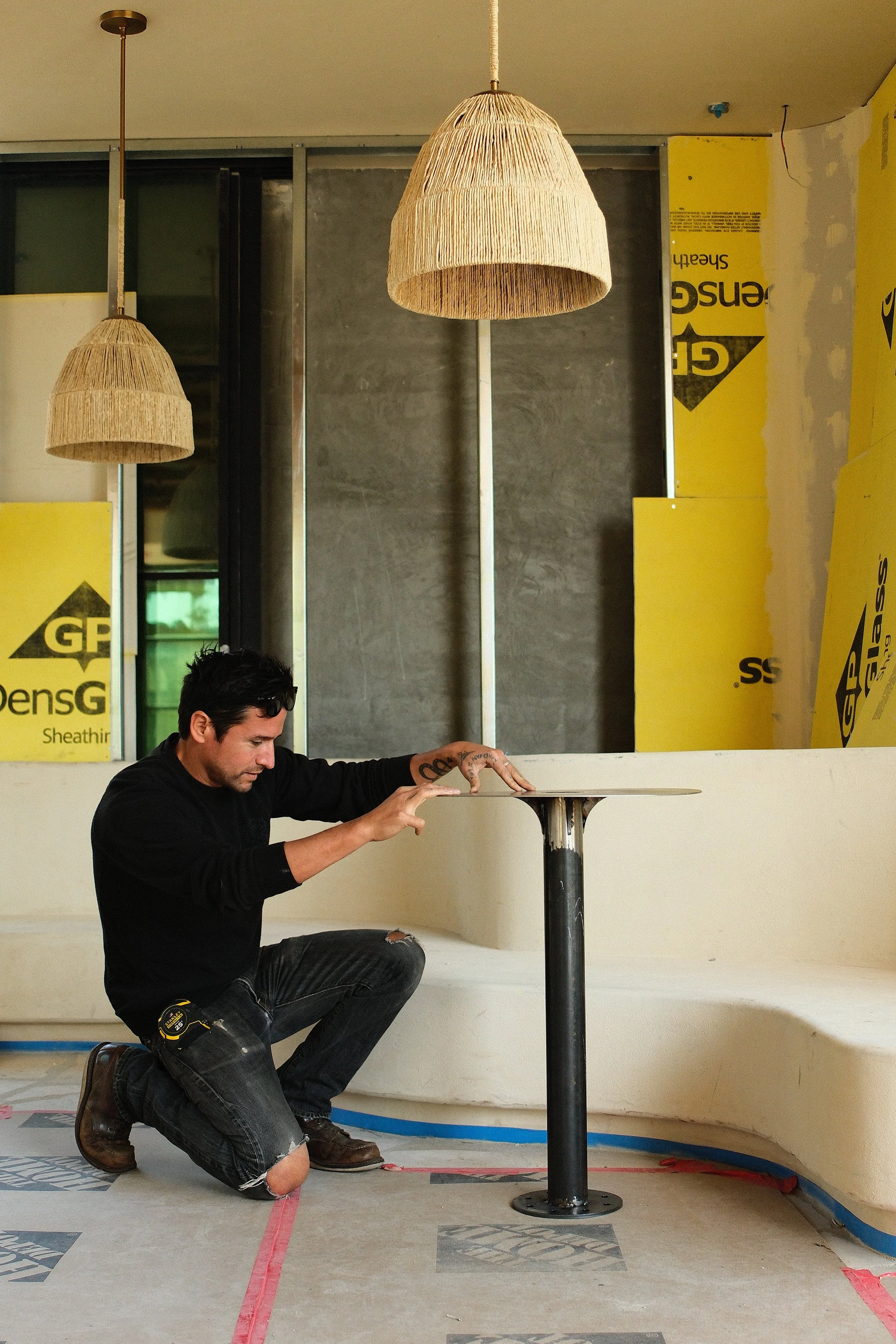
How Interiors Work Better When Design Anticipates the Build
Interior design often begins with a spatial idea. A material palette. A rhythm of light and shadow. A set of relationships between the surfaces.
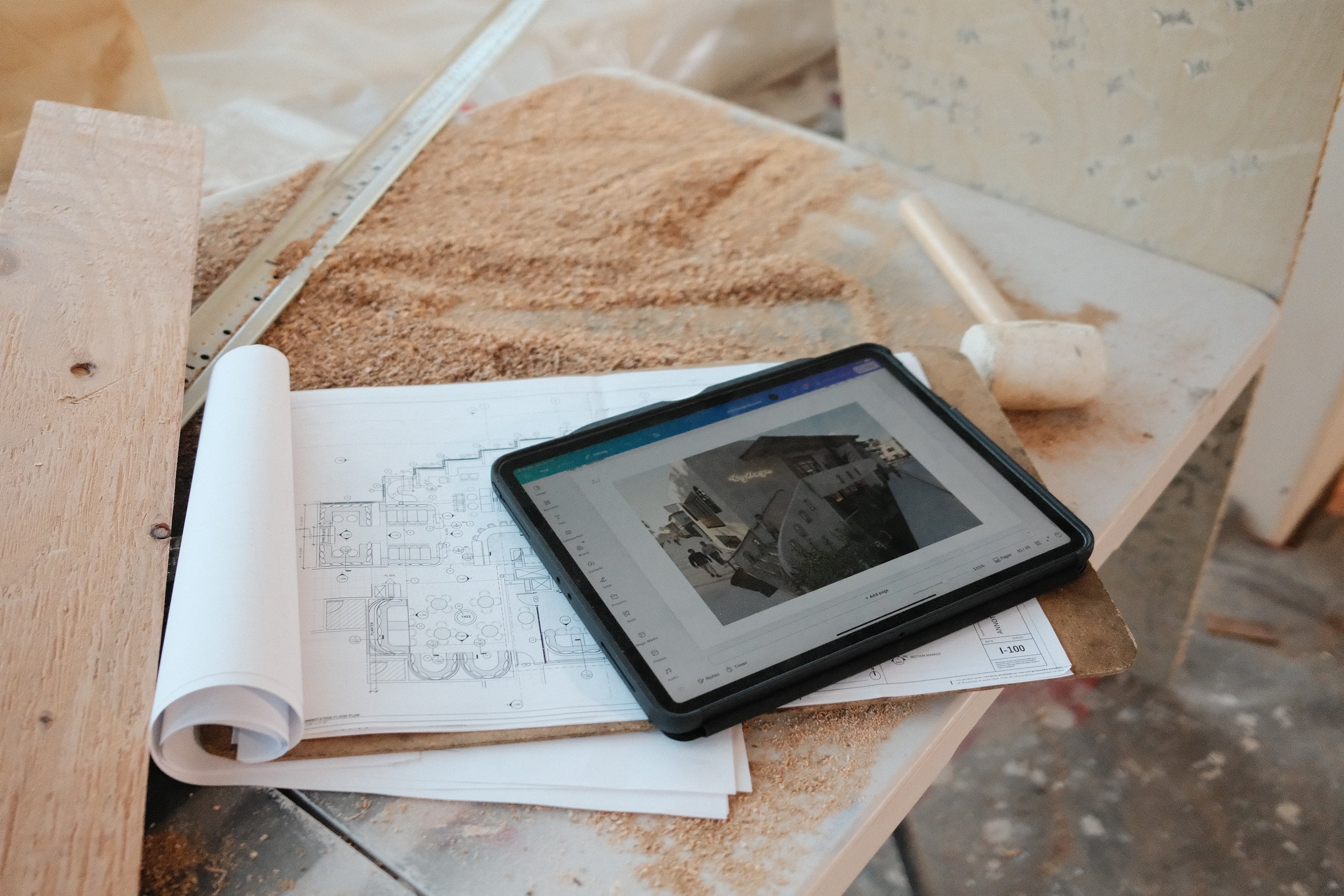
Drawings and renderings help clarify those ideas, but they remain in theory until construction begins. It’s only when materials are cut, joined, and assembled that design becomes real.
The most successful interiors recognize this from the beginning. They don’t treat construction as the final step in a linear process. They anticipate it.
When designers understand how things are built, the result is not just a finished space - it’s a cohesive experience.
Designing with the Build in Mind
Interior design is often framed as a sequence: concept, design, documentation, construction. But in practice, those phases overlap more than they separate.
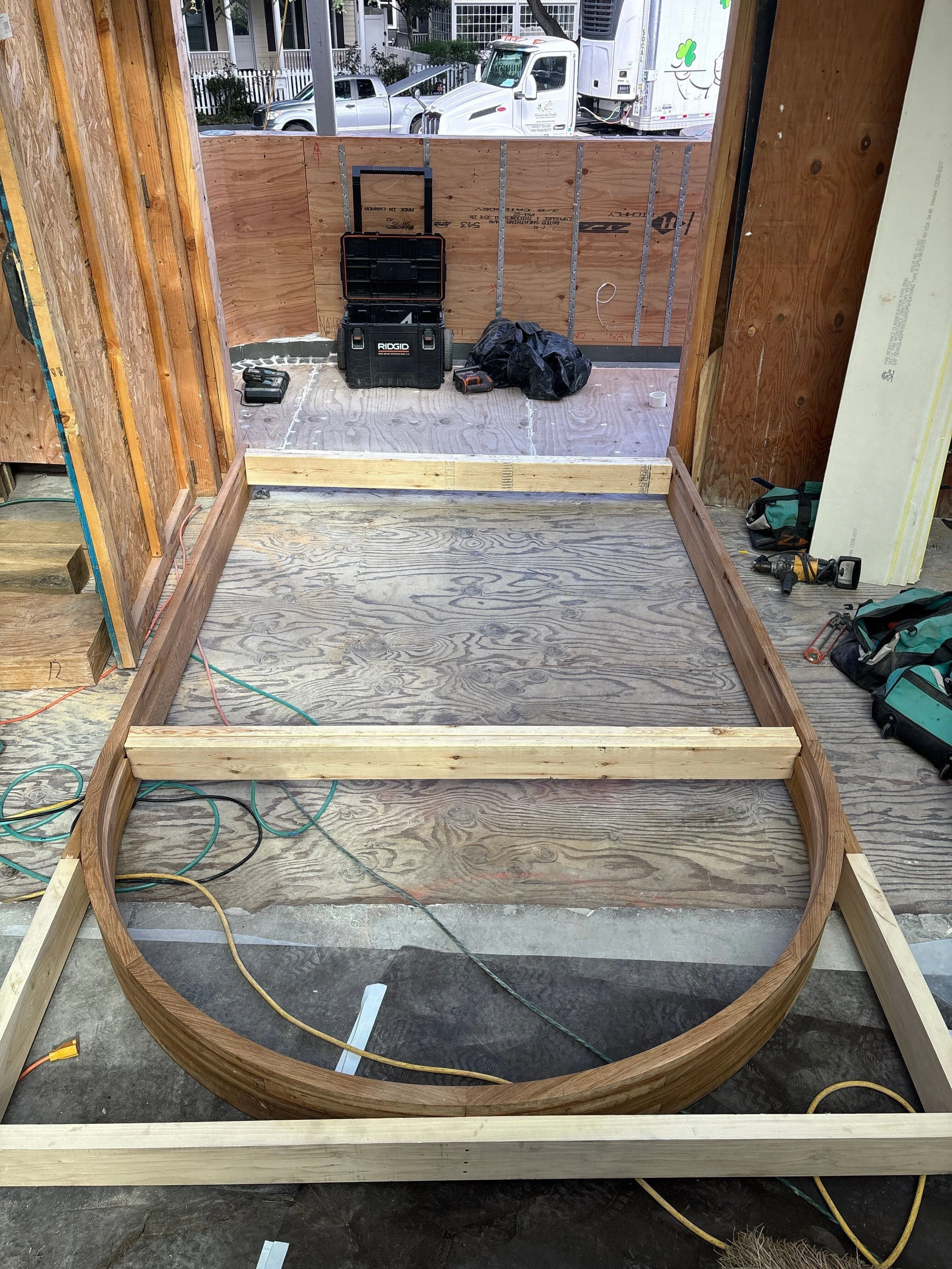
A detail drawn in the design phase inevitably raises questions during fabrication. A material selection affects how trades sequence their work. A millwork element depends on the tolerances of framing and surfaces that came before it.
When these considerations arrive late, they tend to dilute the original intent. Details are simplified. Alignments shift. The design adapts under pressure from the realities of construction.
A different approach is to integrate those realities early.
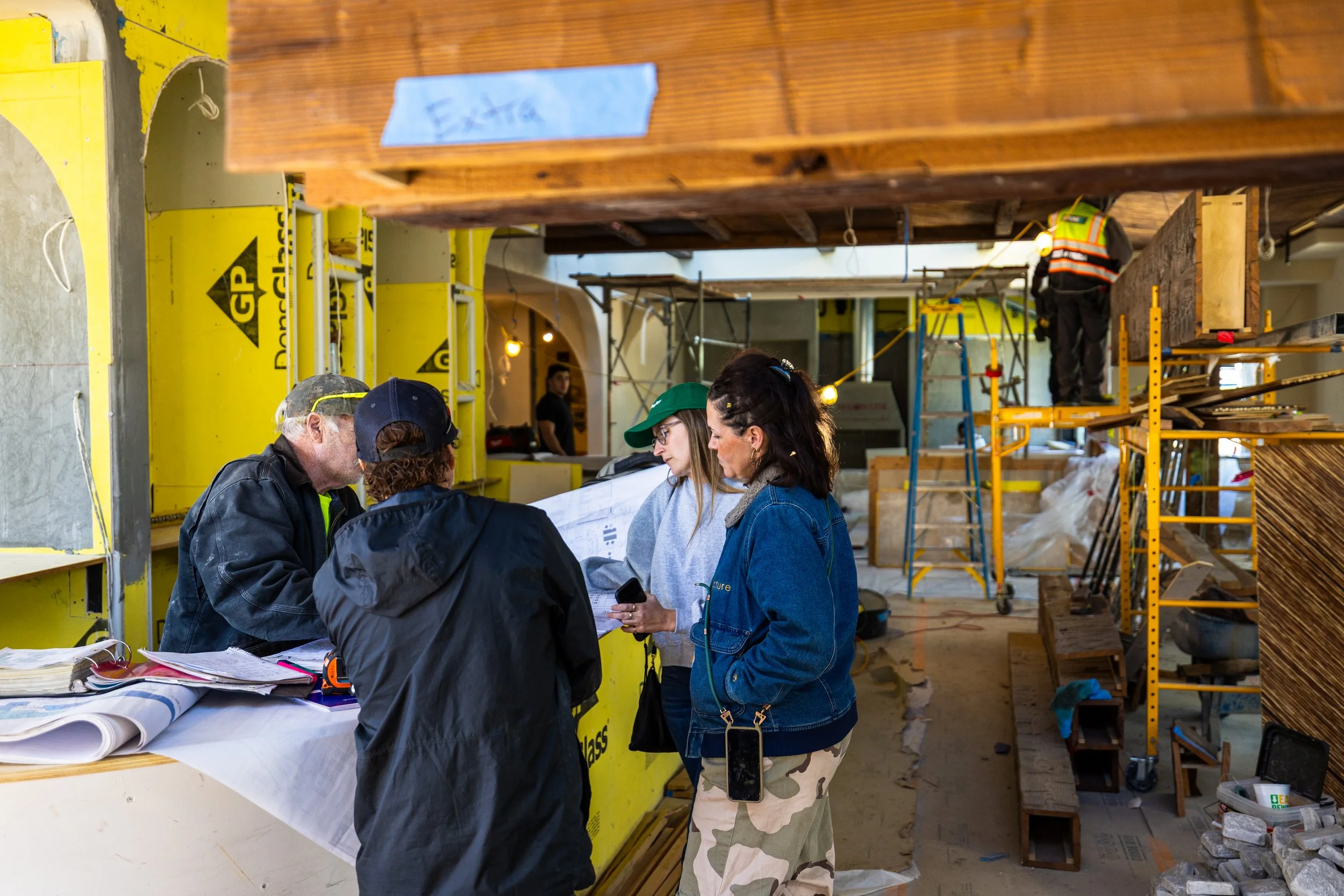
Designing with the build in mind means understanding how materials behave, how assemblies come together, and how trades move through a project. It means asking practical questions while the design is still flexible.
How will these two materials meet?
What tolerances should we expect?
Can this detail actually be fabricated as drawn?
What is the sequence of installation?
These questions don’t limit the design. They sharpen it.
Why Construction Knowledge Changes Design Outcomes
Interior design lives at a scale where architecture becomes tactile. Walls become surfaces you pass within inches of. Lighting becomes atmosphere. Materials move from visual elements to physical ones.
Because of that proximity, small decisions carry weight. Details matter.
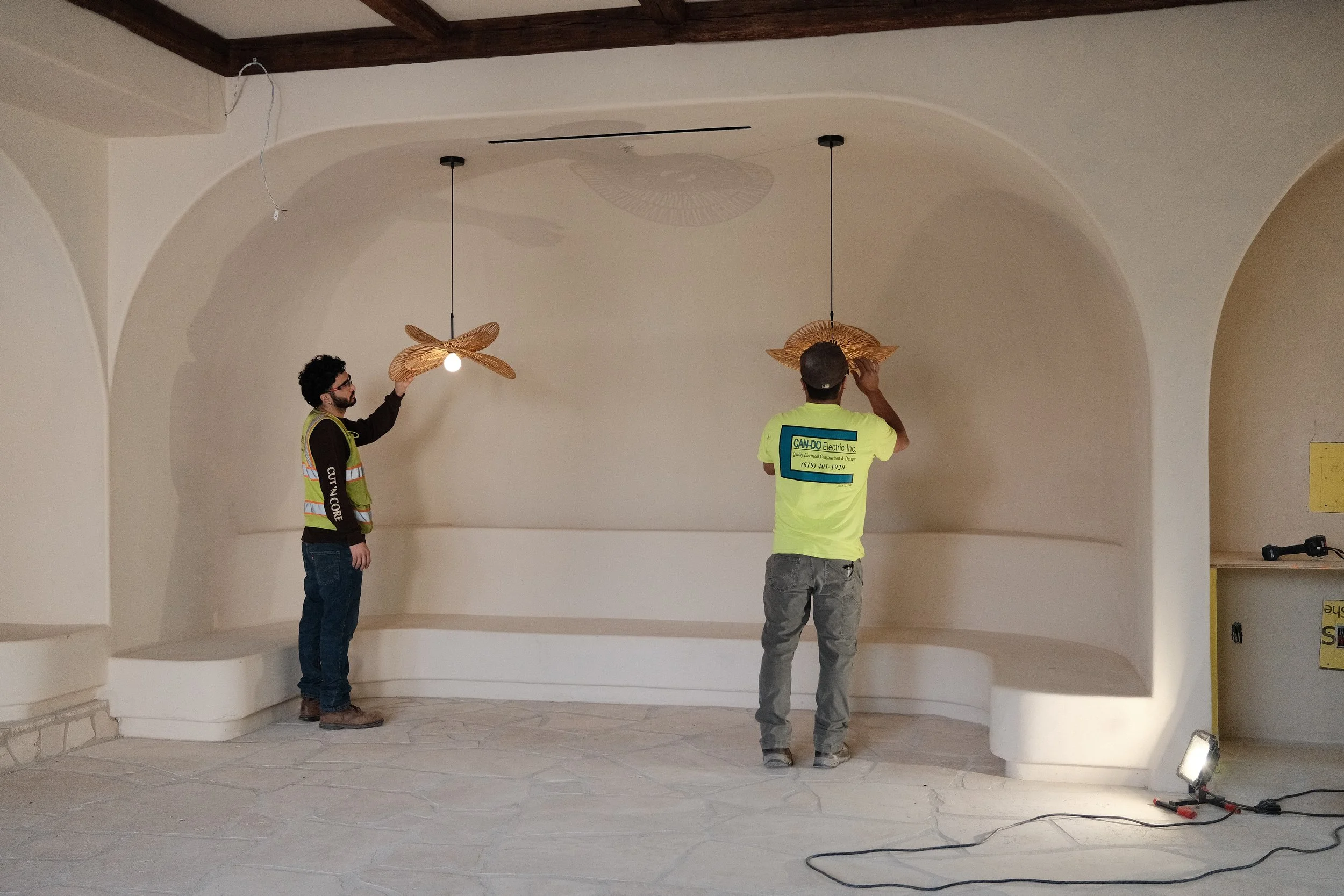
A reveal that’s slightly too large can disrupt the calm of a wall plane. A fixture that hangs off axis can throw off the balance of an otherwise quiet room. A misaligned seam can pull attention in ways the design never intended.
These aren’t issues that appear in concept sketches. They emerge in the space between drawing
and construction.
Designers who understand fabrication and installation have a different vantage point. They’re not only composing forms. They’re designing assemblies.
A floating millwork piece, for example, isn’t just a visual gesture. It requires concealed structure, careful fastening, and enough tolerance to maintain a clean shadow line once it’s installed.
A continuous material surface might look seamless in a rendering, but in practice, it needs to account for fabrication seams, expansion, and slab sizes.
When these realities are understood early, the design holds together more clearly once it’s built.
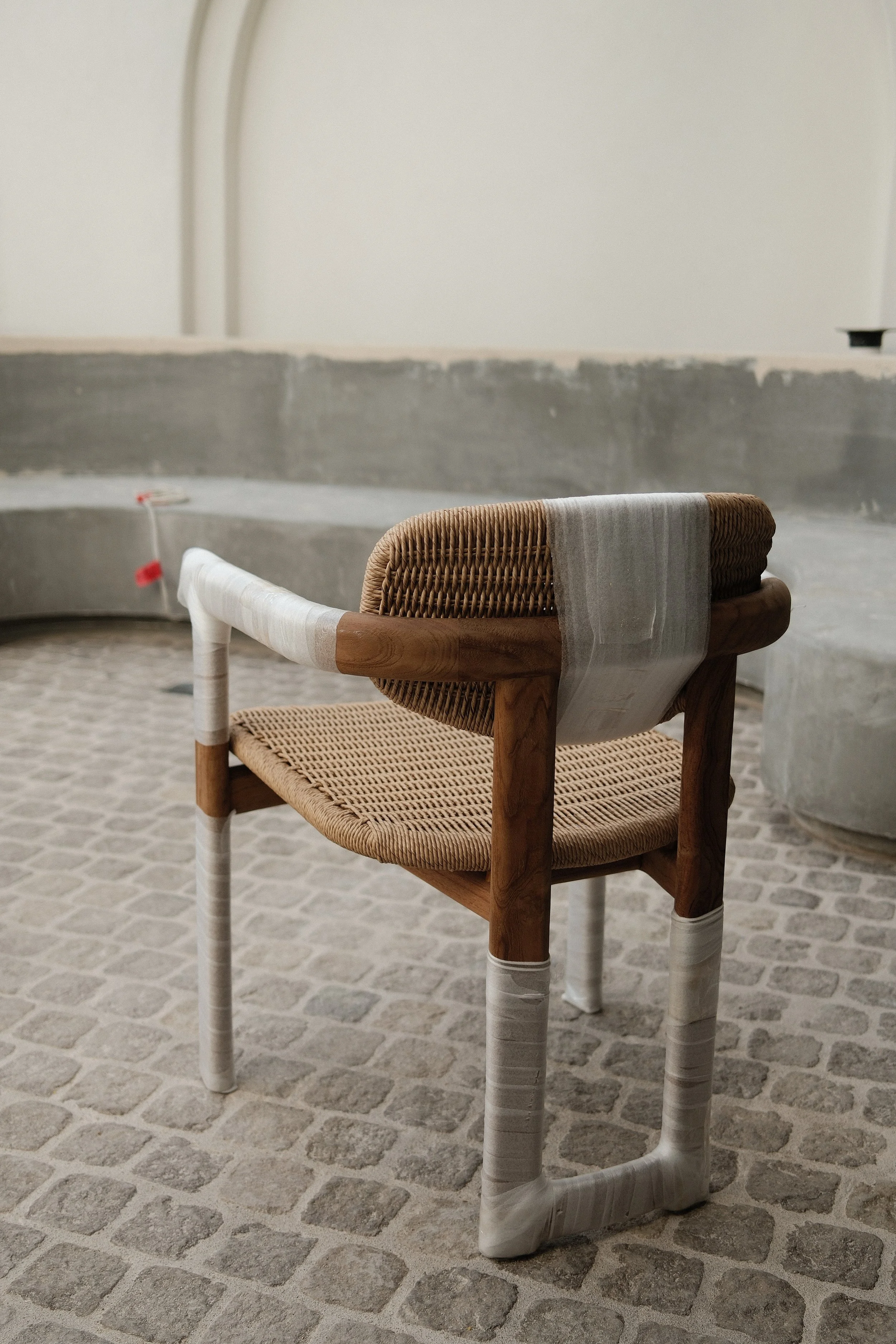
Custom Details as a Quiet Language
Standard components dominate much of the built environment: typical baseboards, conventional trim, familiar lighting layouts. They’re functional, but rarely distinctive.
Custom details offer another layer of intention.
Sometimes that detail is subtle. A recessed base that allows walls to read as uninterrupted planes. A metal edge that protects a surface while creating a precise visual line. A lighting element integrated directly into millwork.
These moves are rarely loud. But they shape how a space reads.
When custom elements are designed with fabrication in mind, they become part of the architecture rather than an applied gesture. The detail carries both aesthetic clarity and structural logic.
But achieving that balance requires understanding materials beyond their appearance.
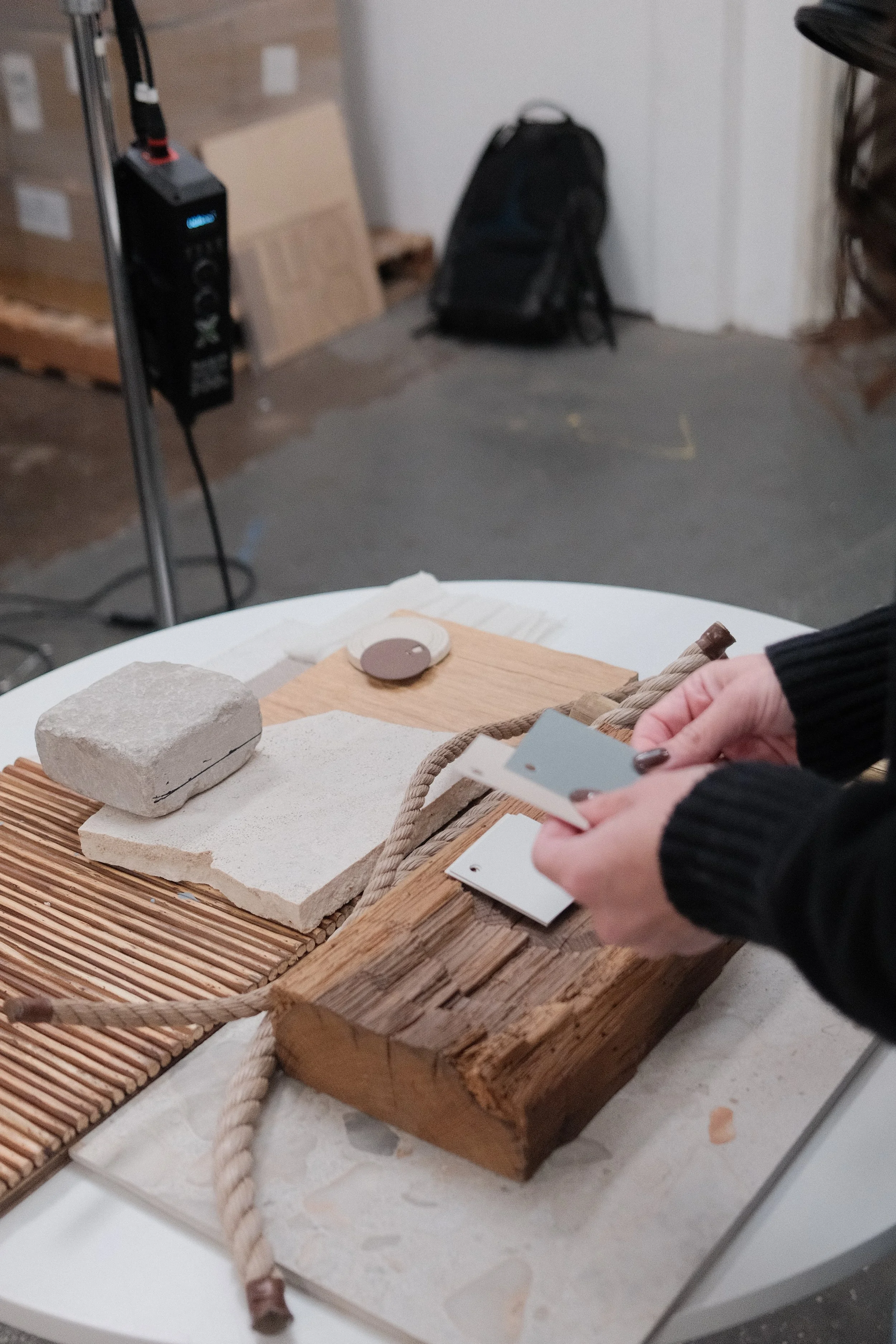
Steel has limits on thickness and fabriction. Wood moves with humidity. Stone dictates joint locations based on slab dimensions. Each material brings a set of rules that inform how details should be drawn.
When those rules are acknowledged early, the design becomes more precise rather than more constrained.
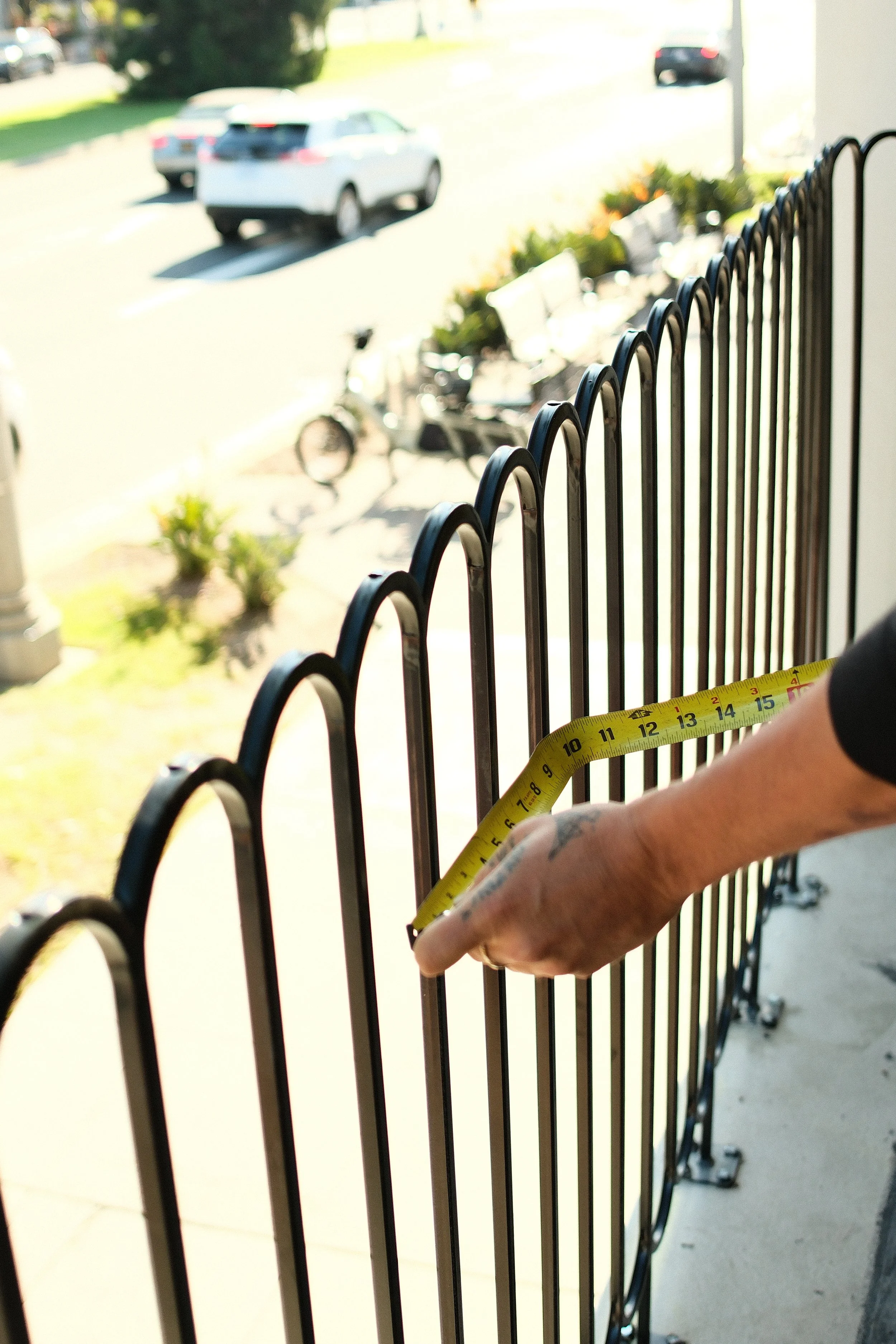
Working with Tolerance
In drawings, lines are exact. In construction, materials move.
Tolerance - the acceptable range of variation during fabrication and installation - is a quiet but critical part of building.
Walls are rarely perfectly straight. Framing shifts slightly. Finish materials carry their own dimensional inconsistencies. When multiple trades work in sequence, small deviations accumulate.
Design that ignores tolerance tends to struggle in the field. Alignments that appear perfect on paper become difficult to achieve.
Good details anticipate this.
Shadow gaps and reveals are often used to absorb variation while maintaining visual clarity. A narrow recess between materials can accommodate minor shifts while still reading as intentional.
Instead of hiding imperfection, these details establish a controlled margin where variation can occur.
The result is a space that feels precise without requiring unrealistic perfection.
Joints as moments of clarity
Every interior is ultimately defined by joints.
Where wall meets floor.
Where wood meets metal.
Where glass meets structure.
These transitions determine how materials relate to one another. They also determine how calm or cluttered a space feels.
When joints are improvised late in construction, interiors accumulate trim pieces and patchwork solutions. Materials overlap without clear hierarchy. The design starts to lose its composure.
When joints are considered early, the opposite happens.
Transitions feel deliberate. Materials meet cleanly. The architecture reads as a coherent system.
Achieving that clarity means thinking about fastening, alignment, and installation order while details are still being designed.
The joint becomes a moment of intention rather than a problem to solve later.
Sequencing matters
Construction follows a sequence. Framing comes before drywall. Millwork follows finished walls. Lighting often depends on coordination between multiple trades.
Details that ignore this order can create unnecessary complications on site.
A recessed lighting feature, for example, might require access that disappears once millwork is installed. A flush material transition might depend on tolerances that need to be established earlier in the build.
Understanding sequencing allows designers to align their ideas with the logic of construction.
Sometimes that means adjusting a detail to simplify installation. Other times it means designing components that can be fabricated off site and assembled with precision during the build.
Either way, the goal is the same: protect the clarity of the design as it moves from drawing to reality.
From drawing to experience
Interior design is ultimately measured by experience.
How light moves across surfaces.
How materials feel when you approach them.
How clearly the space reads as you move through it.
Those qualities depend on construction as much as concept.
When designers anticipate the build, they preserve the integrity of their ideas through every stage of the project. Details remain calm and intentional. Materials align the way they were meant to. The space feels composed rather than improvised.
It’s a quiet difference, but a meaningful one.
The design doesn’t just look resolved.
It’s built that way.
And that’s what turns a designed space into a lasting experience.
This way of working sits at the core of Tecture Studio’s practice. Our interior design services are bolstered by our in-house custom fabrication, a design-build collaboration, allowing us to develop details with a clear understanding of materials, tolerances, and construction sequencing. The result is work that carries its intent all the way through the build—spaces where design, craft, and construction feel seamlessly aligned.